Published: Feb 4, 2026
Dry crackers and canned rabbit. Is that what might get the Norwegian expedition to the top of the world's 12th highest mountain?
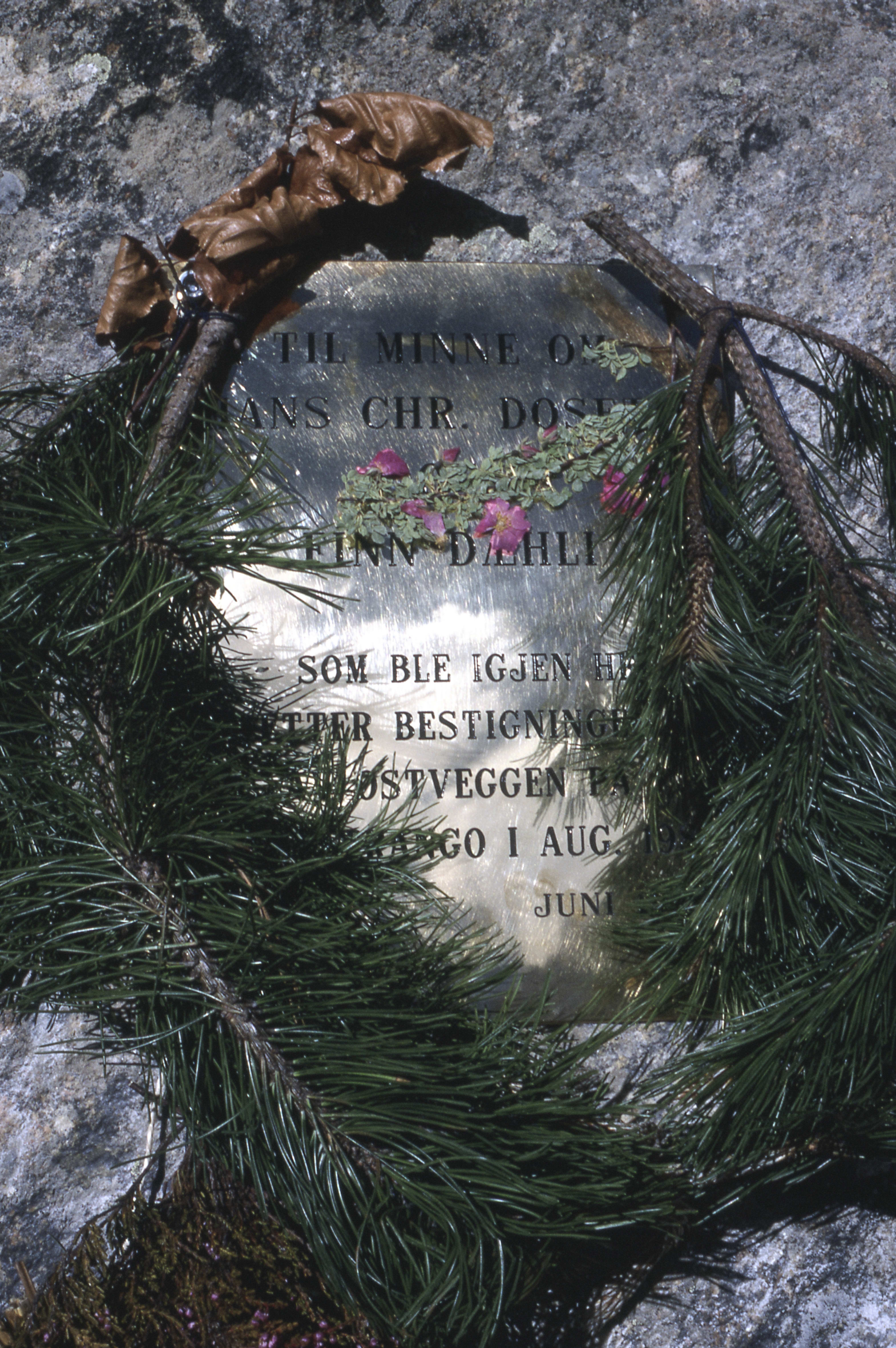
“We were going to Trango first. We were going to put up a memorial plaque for Hans Christian and Finn Dæhli there. That was perhaps part of the reason why I became an expedition leader.”
Mountain climber Ragnhild Amundsen (62) winds the clock back to the spring of 1987, when she led a climbing expedition to the 8,000-meter mountain Broad Peak in the Karakoram Range of Pakistan.
“A number of people came with us on the trek. Hans Christian's mother was there, which was important,” she recalls.
Memorial plaque
The Norwegian Broad Peak expedition had a different starting point than most climbing expeditions. It started by facing and absorbing the most brutal consequence of climbing: death. On a climbing expedition in the area three years earlier, Ragnhild's boyfriend and Norway's greatest climbing icon, Hans Christian Doseth, fell to his death with Finn Dæhli, after a successful first ascent of the Great Trango Tower.
Mountain dangers
After the plaque was mounted in solid granite with screws, friends and family were done saying farewell to Hans Christian and Finn, so most of the entourage returned to Norway.
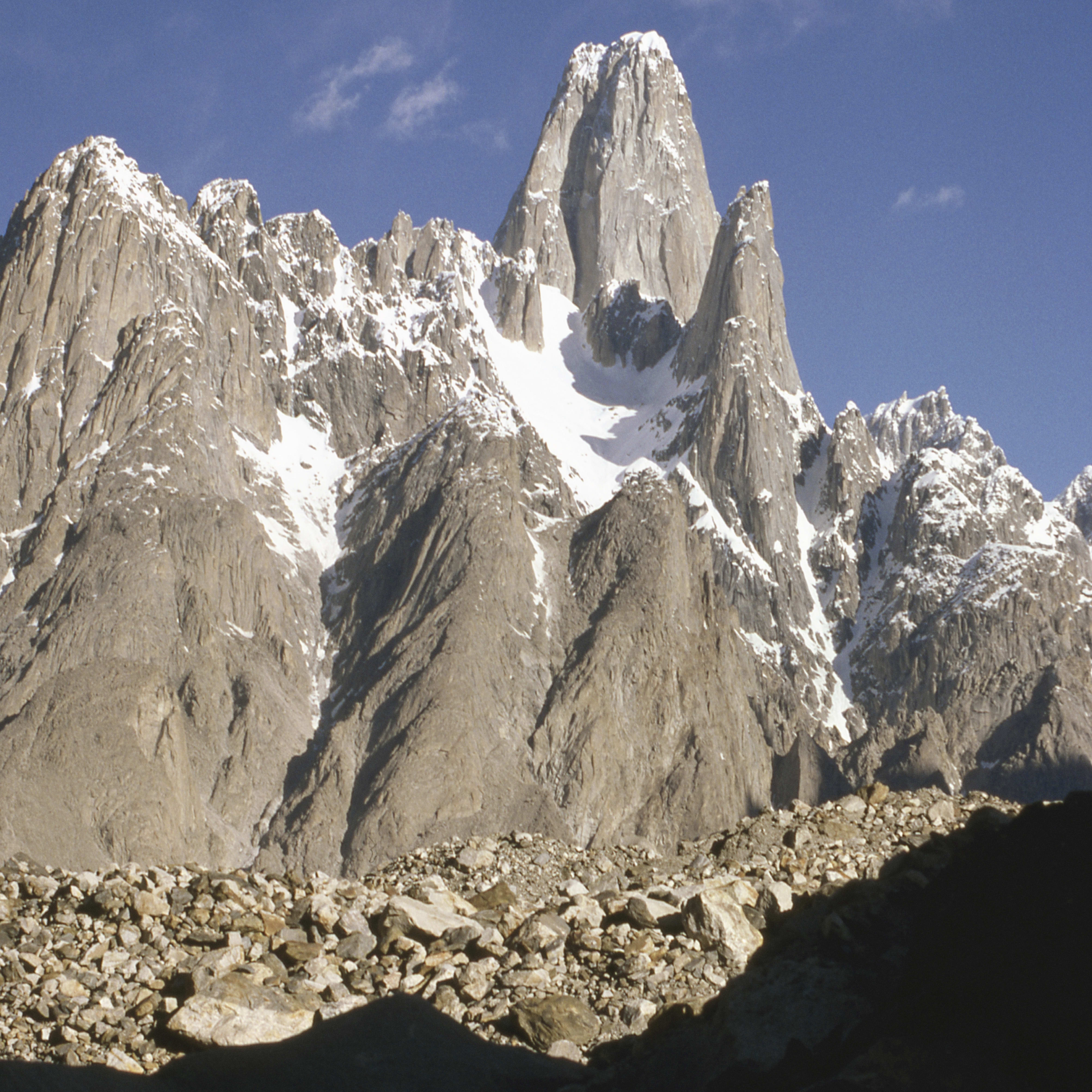
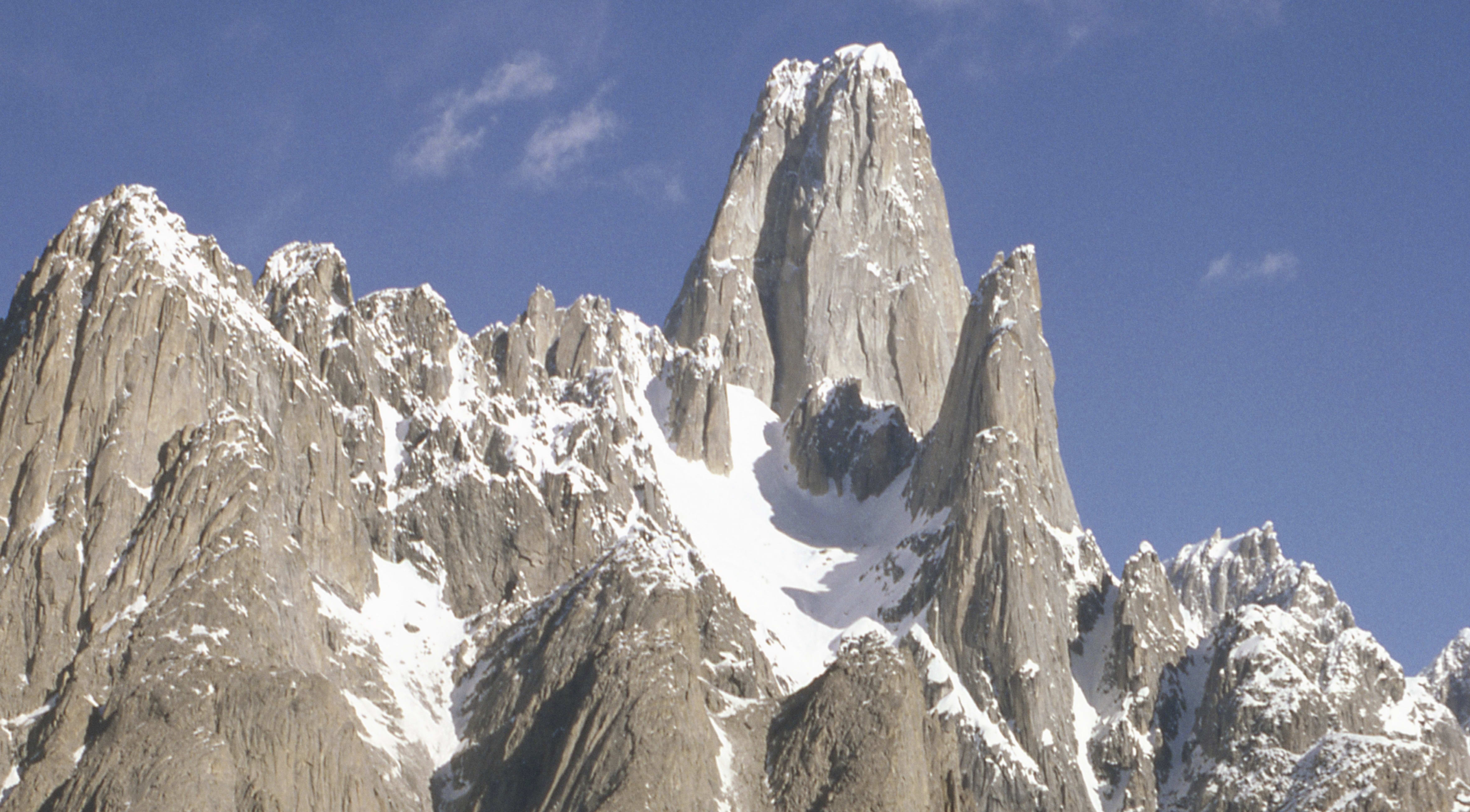
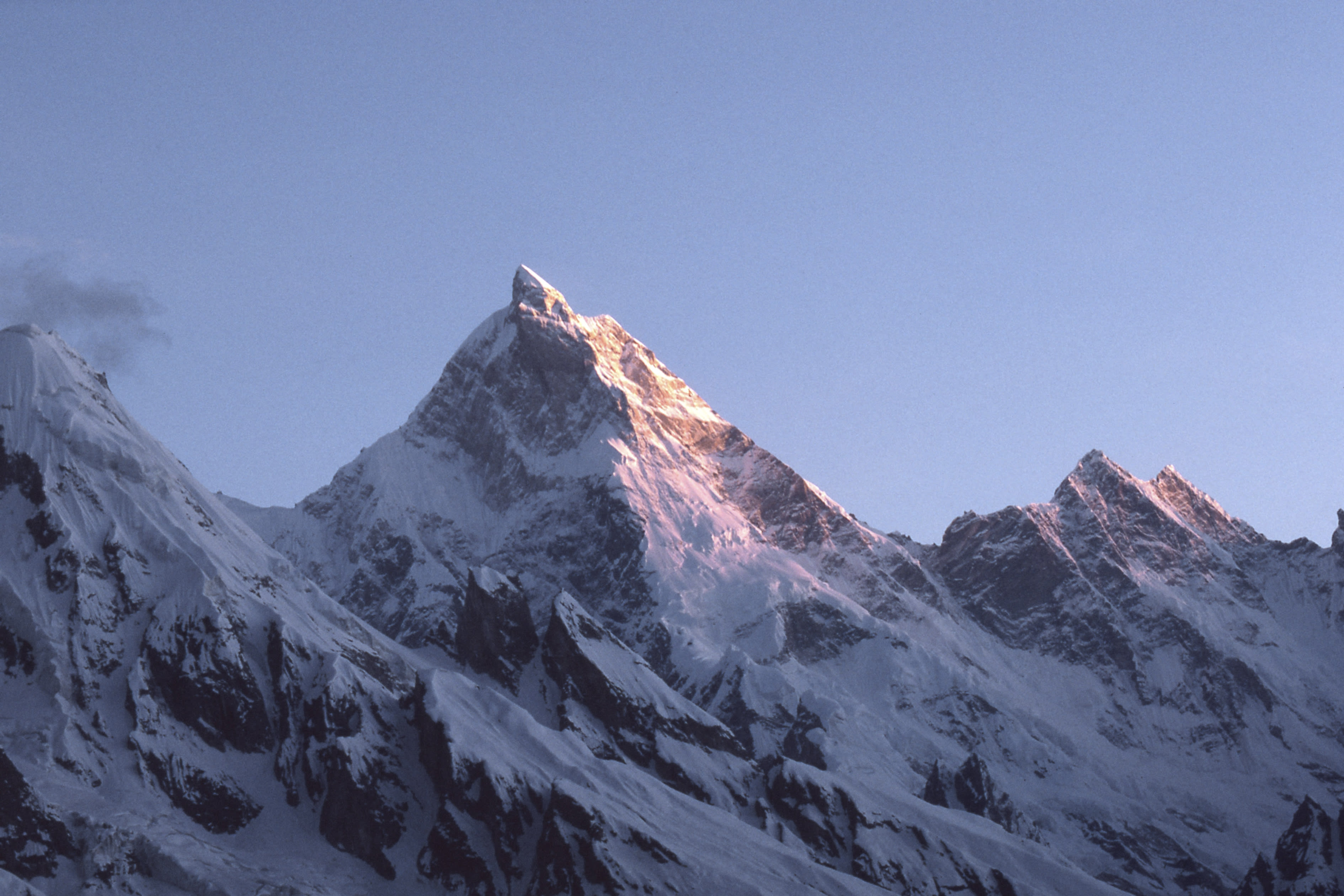
Ragnhild and her friends Håvard Nesheim, Frode Guldal, Stein P. Aasheim, Gunnar Aksnes and Harald Henden stayed behind among the highest peaks on the planet. They turned their gaze upwards towards a mountain with a large, wide dome shape, where no Norwegian had ever stood. It was called Broad Peak, 8,051 meters high, the world's 12th highest mountain.
– How did the Trango accident change the feel of climbing – and how did it affect the new expedition?
“I don't really know. I knew it was dangerous before the accident, but, somehow, you never think it's going to happen to you and yours. So it did change things,” Ragnhild Amundsen says now.
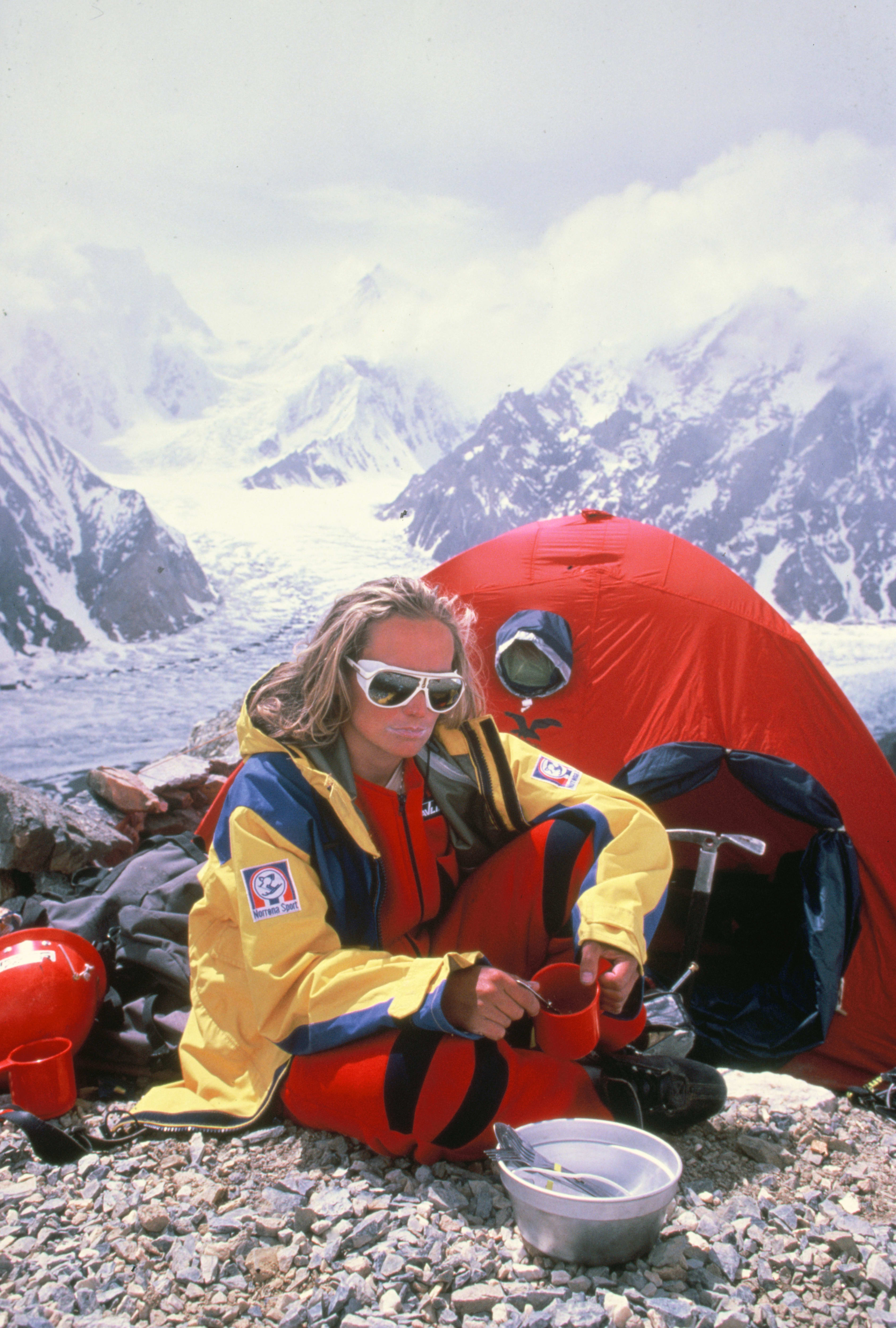
– Was this change mainly in emotions, or did it also change in the way you operated in the mountains? “I'm actually a chicken. I've always been careful in the mountains. I understand that if the most dramatic thing you do is to go on an easy mountain walk, then Broad Peak doesn't seem very careful. But I stick by what I said. You can be careful, and still operate in demanding terrain. After I had children, I lost the desire to do Himalayan climbing. The objective danger you cannot control is much greater there. At home, we know more about both weather and challenges with snow. And then it's always quite a short way down. If you are at an altitude of 7,000-8,000 meters, it's not a short way down.”
Team of equals
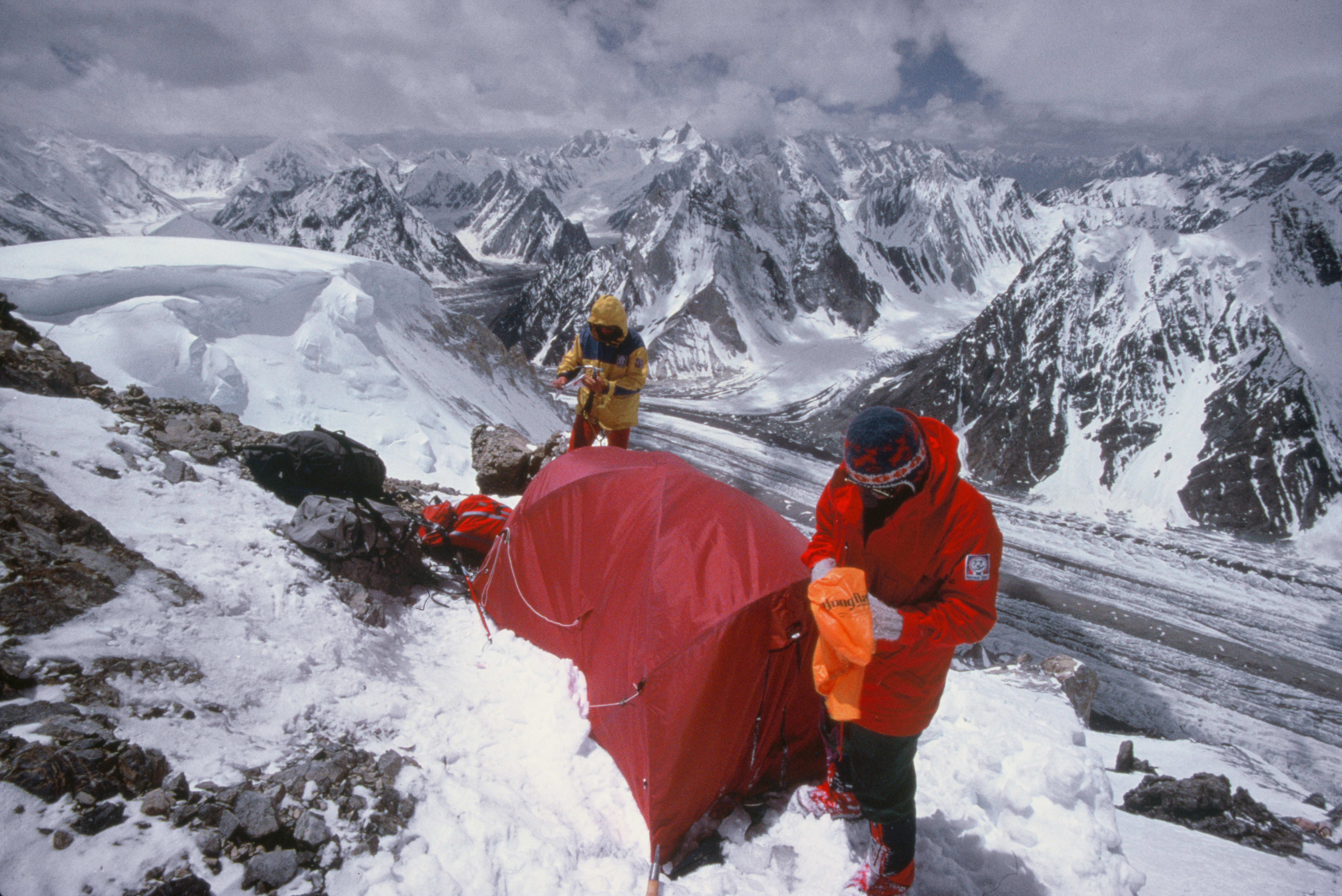
Well established in base camp, there was a good workflow and nice dynamics in the group. Some acclimatized quickly, including Ragnhild herself, while others needed more time. Thus they switched around who was in base camp and who worked their way up in thinner air to carry food and equipment farther up the mountain.
There were no porters or fixed ropes. The whole point was cooperation on a common experience and a common goal.
“You read about expedition leaders who decide who goes up and who doesn't. That was completely absent from the way I experienced expedition climbing. We were a group of friends on a trip. The most important function I had as expedition leader was being the person listed as such on our papers. Stein probably also thought that it would make it easier to get sponsors.
The fact that we were going to Trango first also created an extra dimension.”
Badass
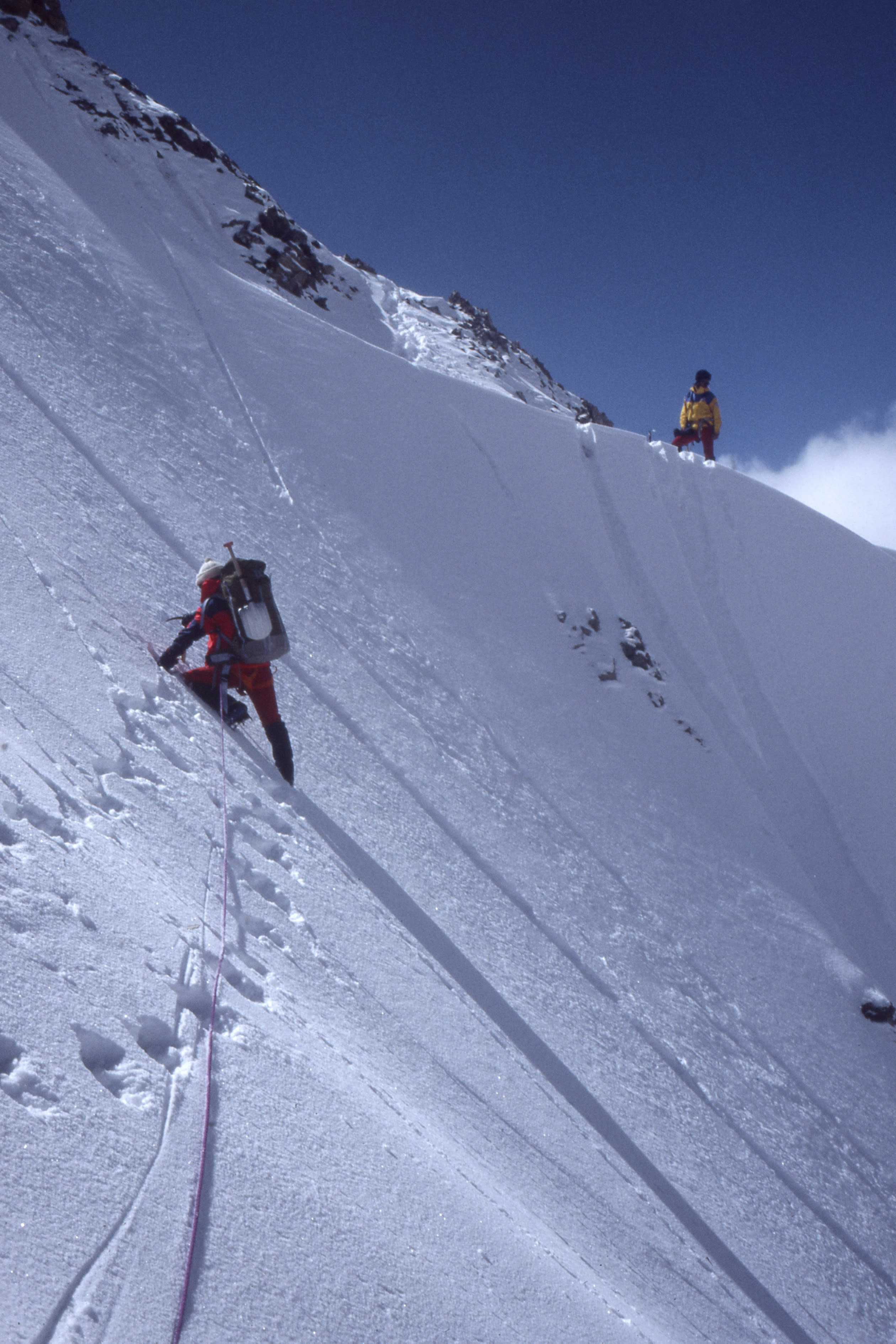
Ragnhild may be the type who doesn't blow her own horn. At least, this writer has a slight suspicion about that after talking to the accomplished climber for the first time. Maybe others should do the boasting for her. Stein P. Aasheim was married to Ragnhild for a longer period and wrote about Broad Peak in one of his books: “I am considered a gentleman. So naturally, I started with the heaviest pack. It went well for a while, but not as long as expected. It was a blow to my ego when, a little way up the hill, Ragnhild offered to go ahead to break a track in the snow, since she carried the least. And it didn't get any better when a little later she also insisted on taking my pack. Since my back hurt, she said. But the worst was when I had the lightest pack and still had to ask her to go first in the loose snow.”
Nature decides
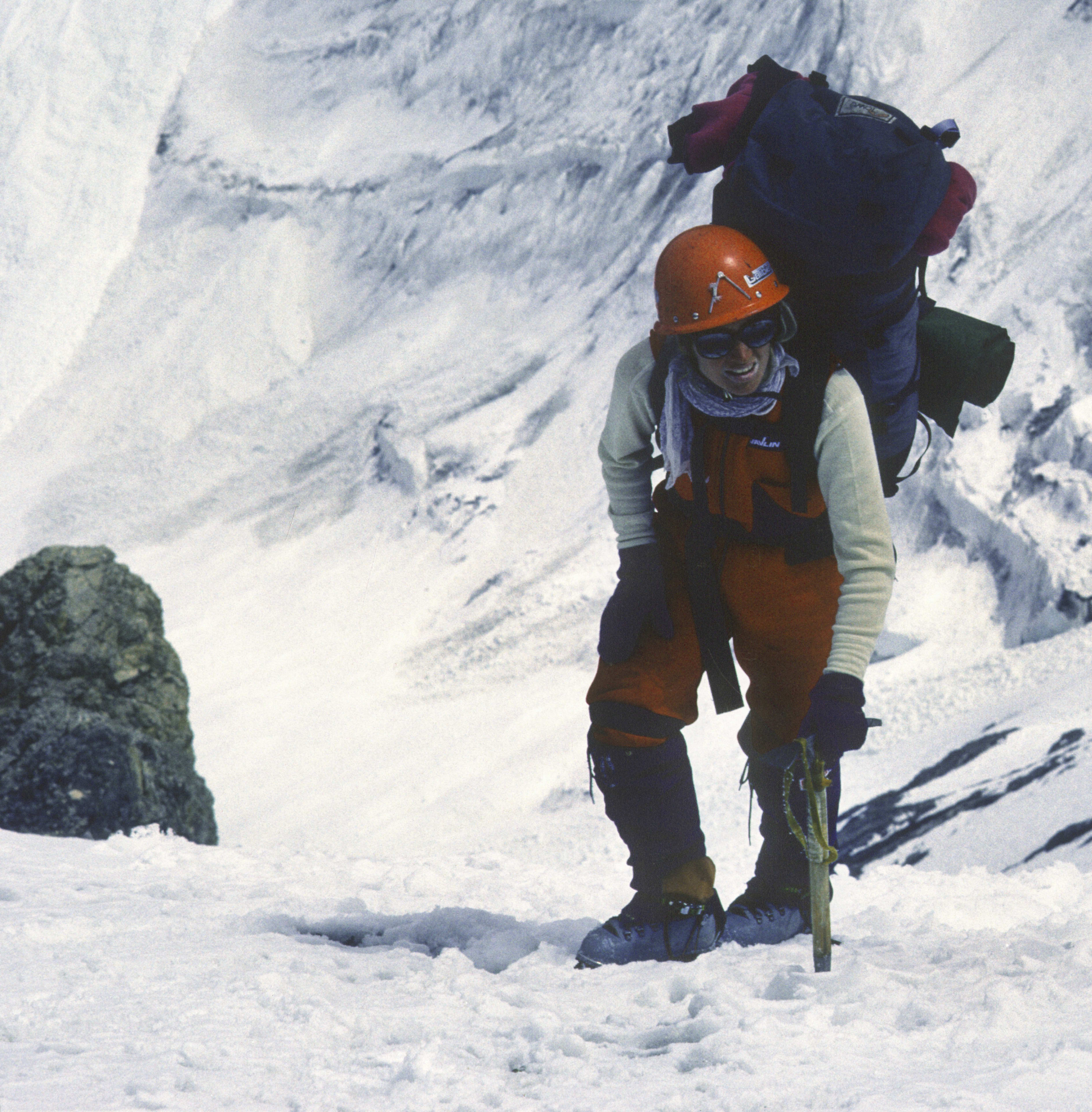
The 1987 climbing season in the Karakoram was marked by bad weather. New snowfalls kept coming, setting the expedition back. For over five weeks, they lived in the hope that conditions would stabilize and that it would be possible to climb to the top. It wasn't just the Norwegian expedition that stayed in the camp and waited.
“We had a visit from Doug Scott and his team. They had been camped by K2. When they didn't make it up on K2, they came to Broad Peak and tried their hand at the top on our permit. They had their own cook. We'd lived on crackers and bad Pakistani pasta. There were also some Frenchmen who had a camp at Broad Peak. They had freshly baked bread and canned rabbit. And ham that hung from the tent roof.”
A shot at the top
After several weeks of waiting the team was getting ready for the summit attempt. Håvard Nesheim and Gunnar Aksnes made up the first summit team.
Stein P's book describes the effort:
"The next contact was from 7,200. Gunnar spoke in extremely short sentences. It's going well. We're on a ridge. The snow has been blown away. We'll camp here. It looks like a short distance to the summit. I think we can do it.”
At about 7,400 meters above sea level, the bid for the summit was aborted. The snow had accumulated in a pot formation, and the risk of an avalanche was too great. The voice of Gunnar Aksnes is heard over the walkie-talkie: “We've turned back. We're coming down.”
– How did it feel to have to turn back?
“It wasn't that big a deal. I have never been very hooked on having to reach the summit or having to succeed. It was a nice trip. We had a great time. It was amazing to be there.
Of course, it would have been great to say we reached the summit, but it was perfectly fine to come home and say we hadn't reached the top.”