Text: Hiroyoshi Soma
Photos: Hiroyoshi Soma, Masanari Tonosaki, Makoto Takahashi, Hiroshi Suganuma
Published: Feb 4, 2026
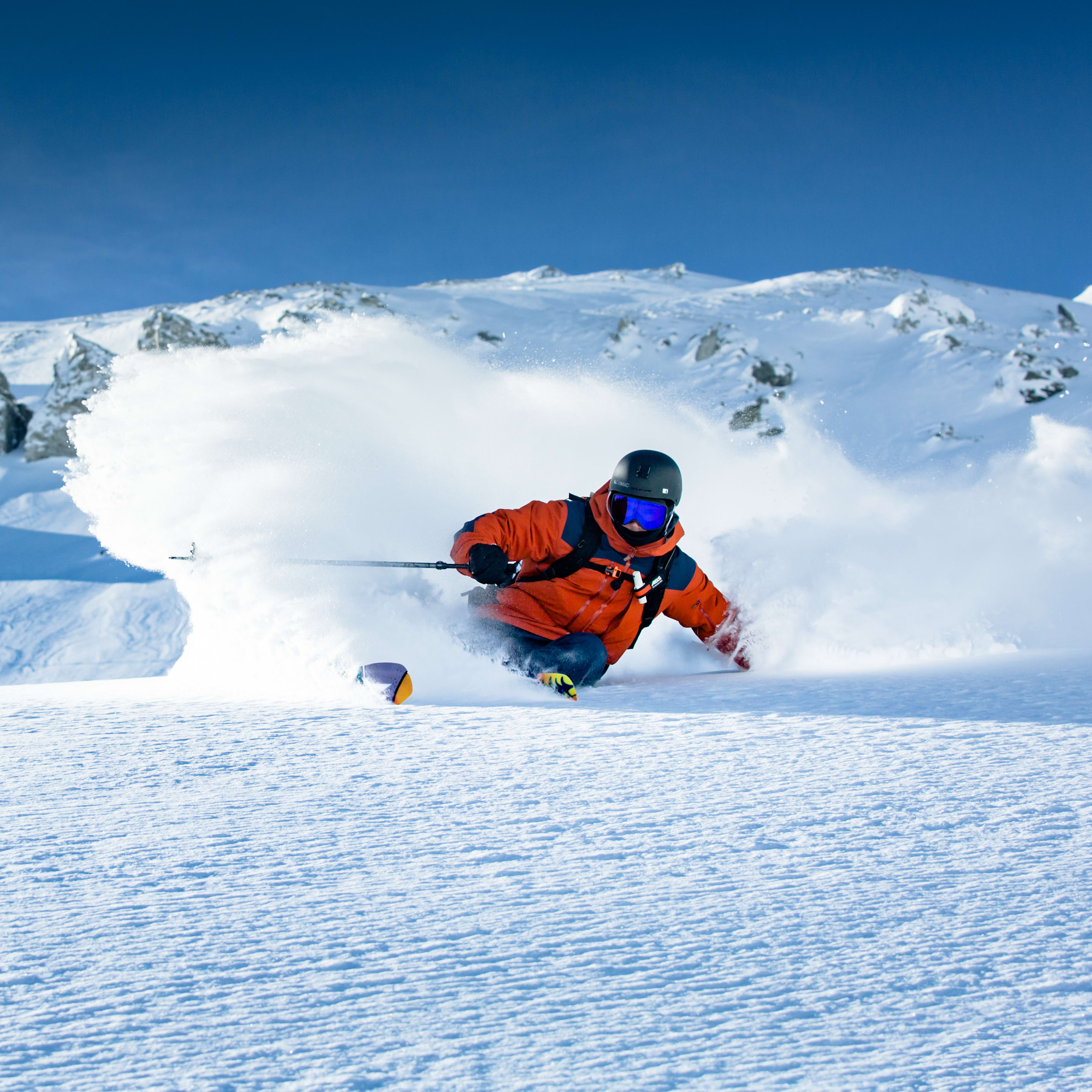
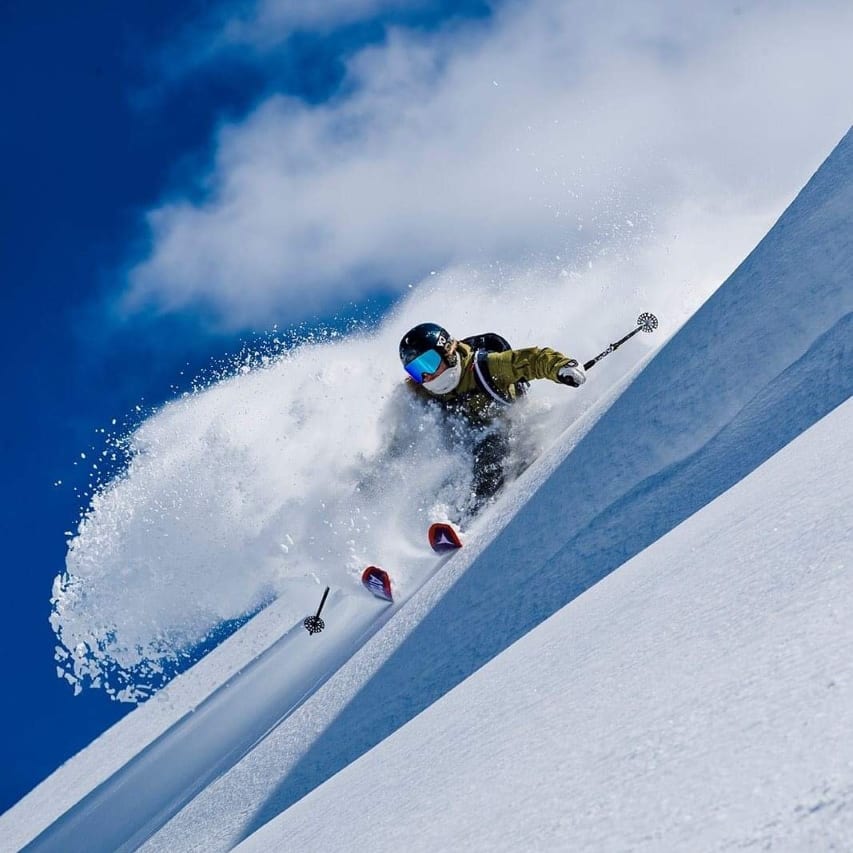
There is a place where the snow is always deep. Welcome to Hakkoda.
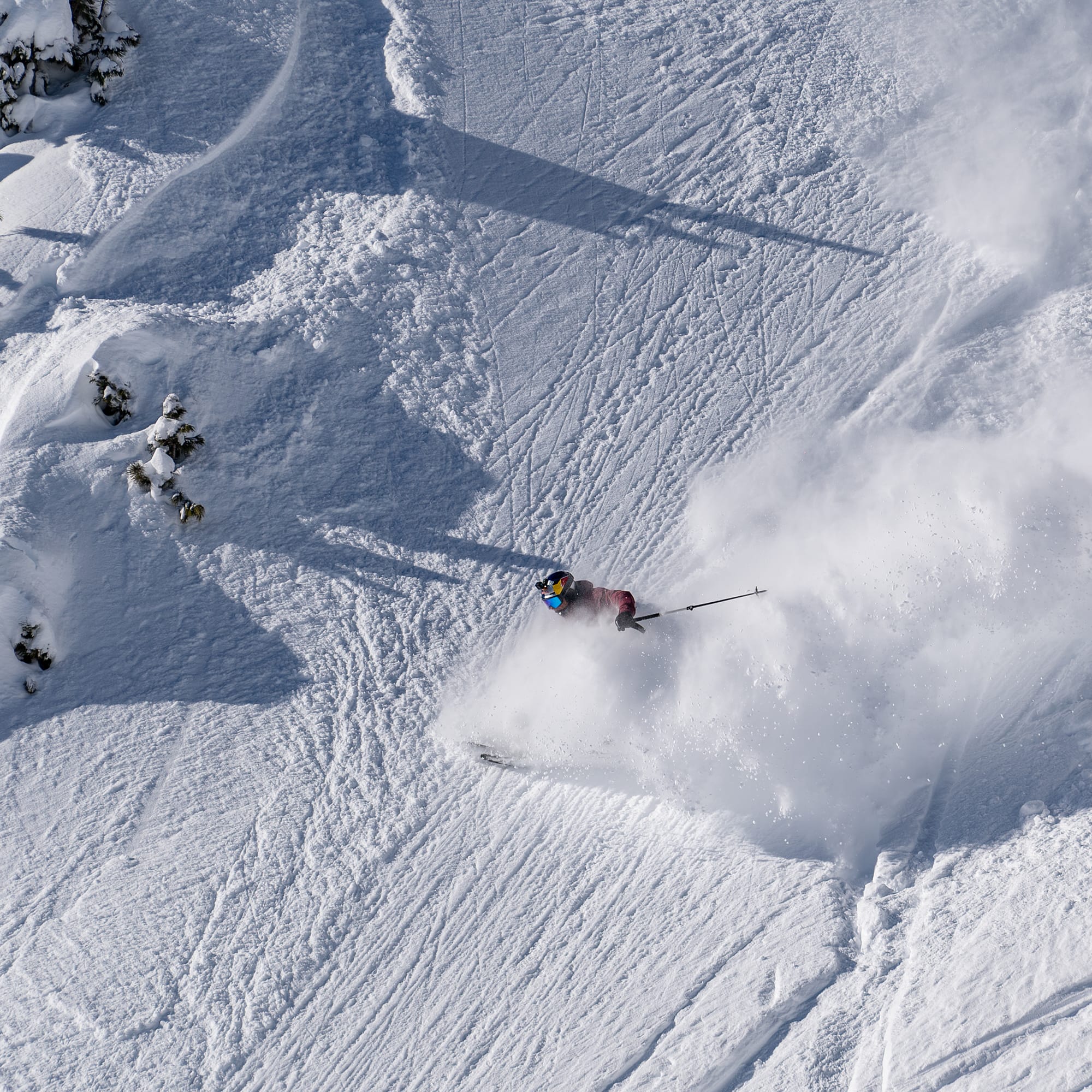
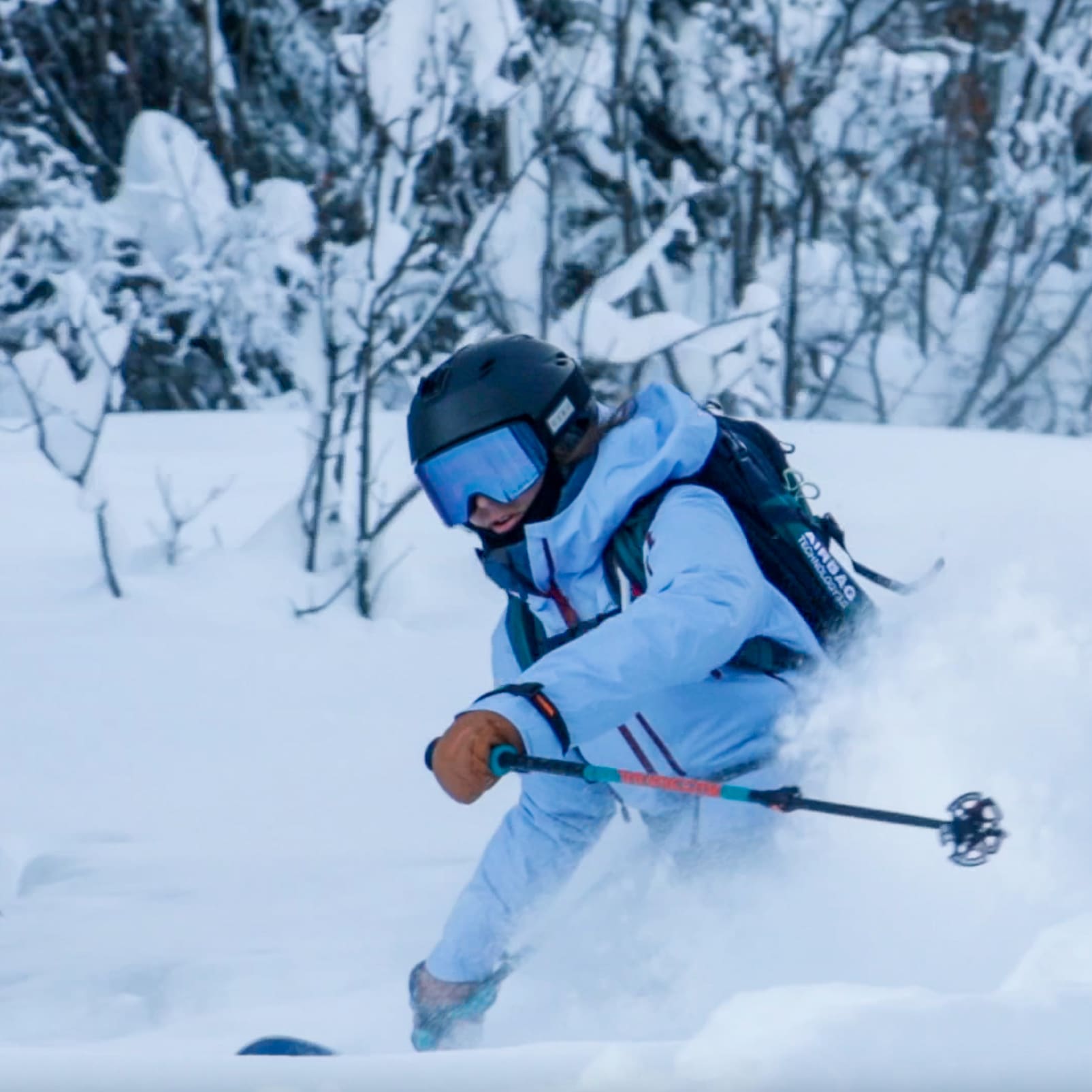
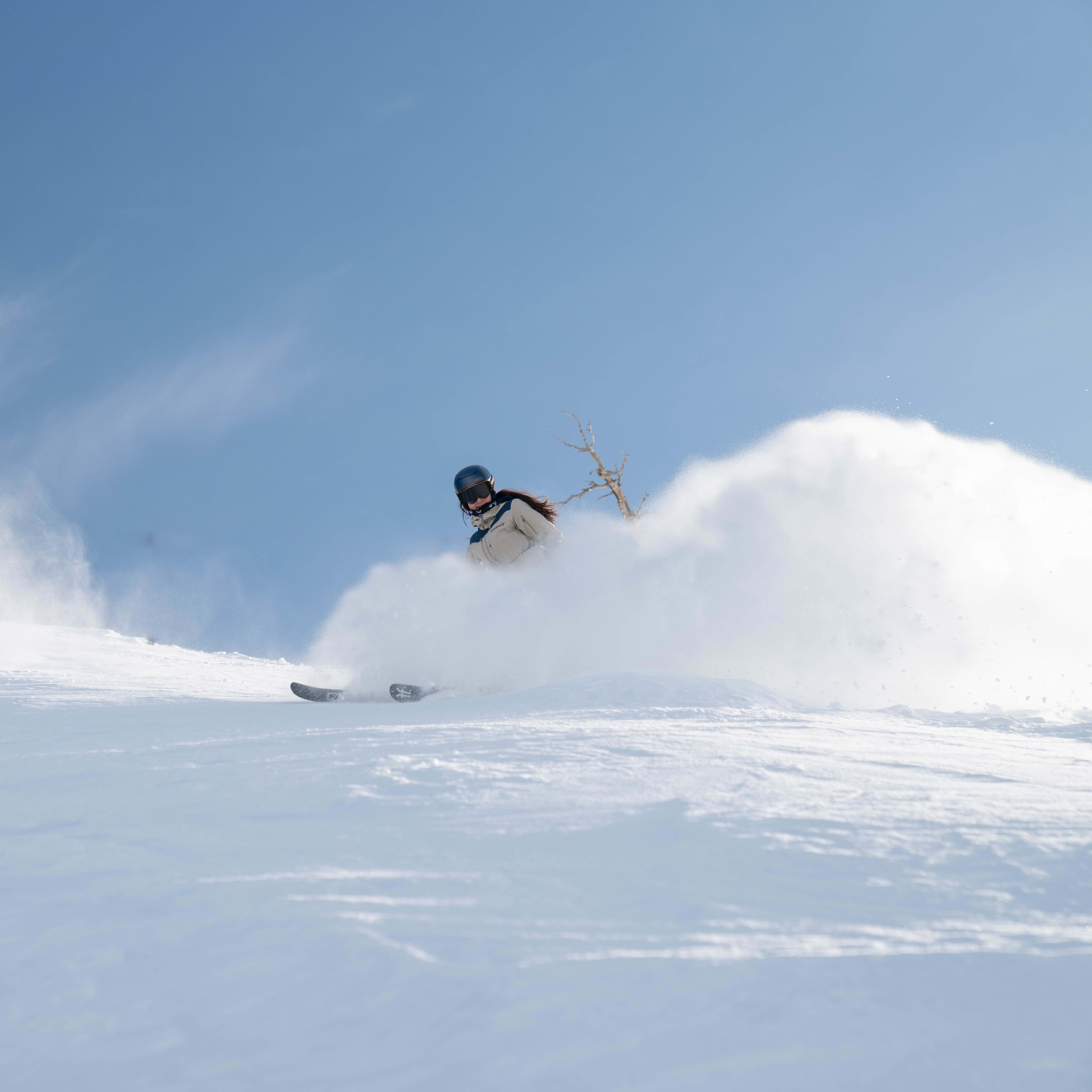
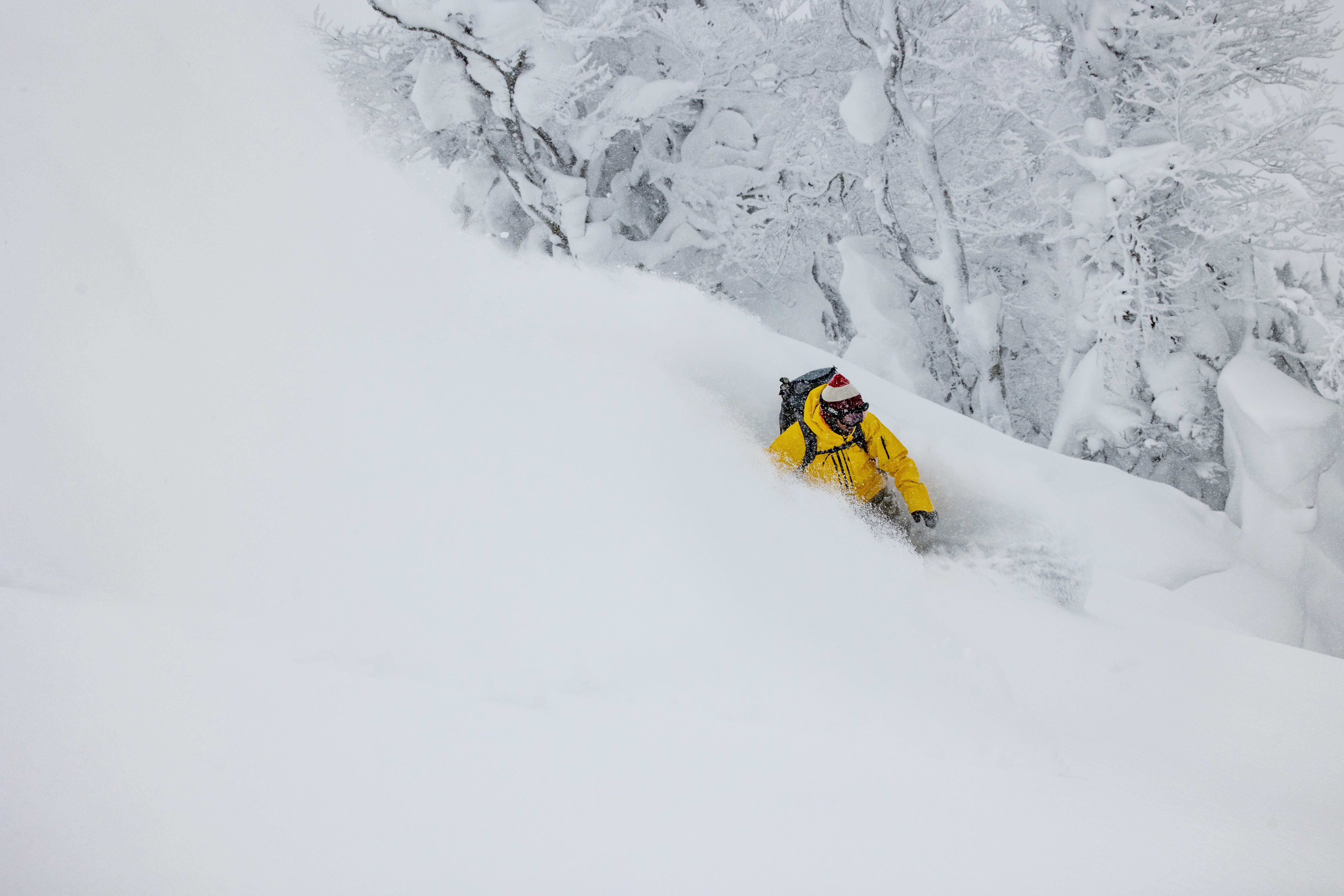
The day begins. The Hakkoda Ropeway website says that the snowfall the day before was 20 cm near Hakkoda Sanso. The wind is a little strong in the northwest, the temperature is -10°C and the visibility is about 50 meters. It is still snowing, so the snow quality must be good. Even if we can’t see much, light snow will not be a problem to ski. A few guests and I decide to take the Douzou route from the ropeway’s summit station.
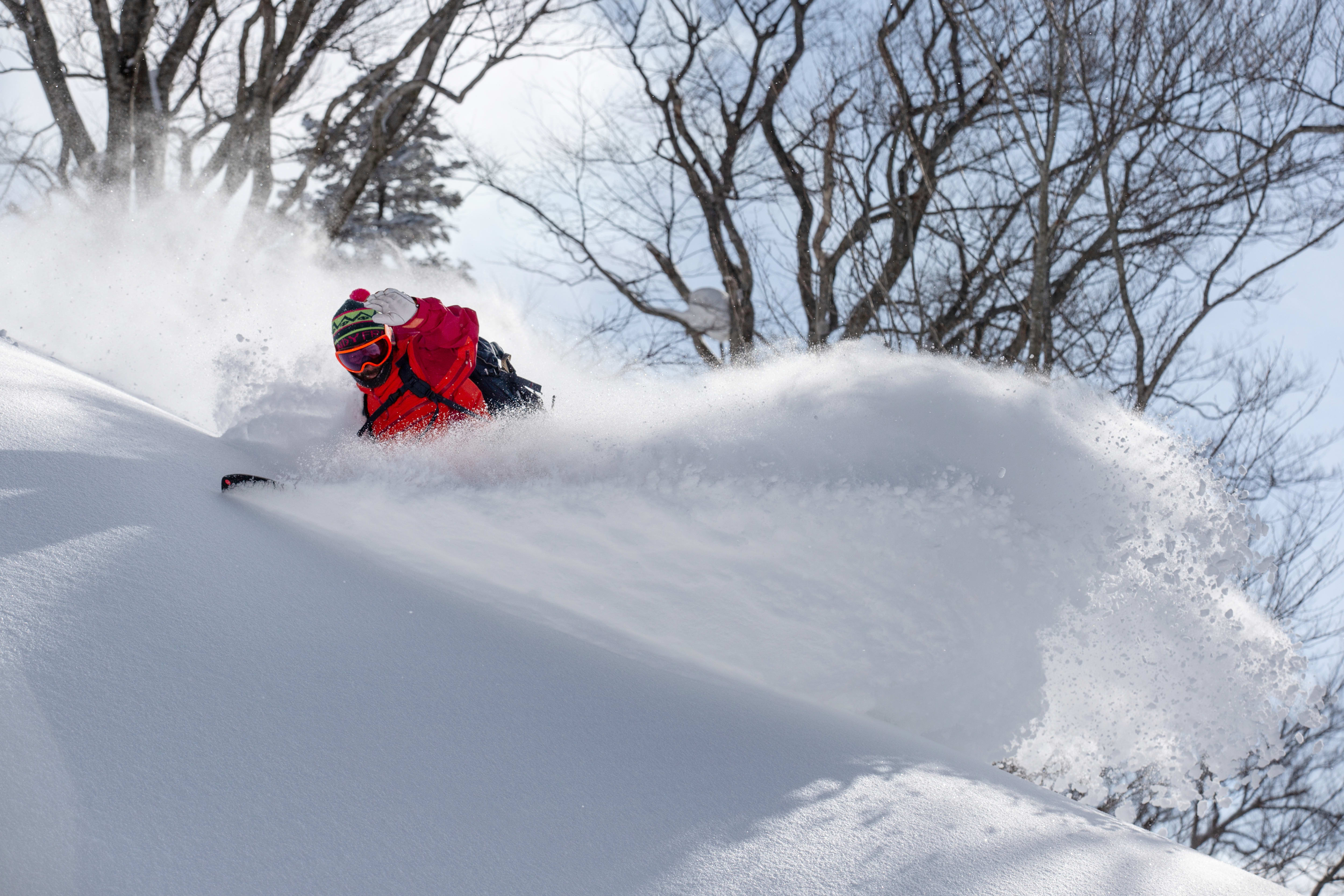
It will be a deep day.
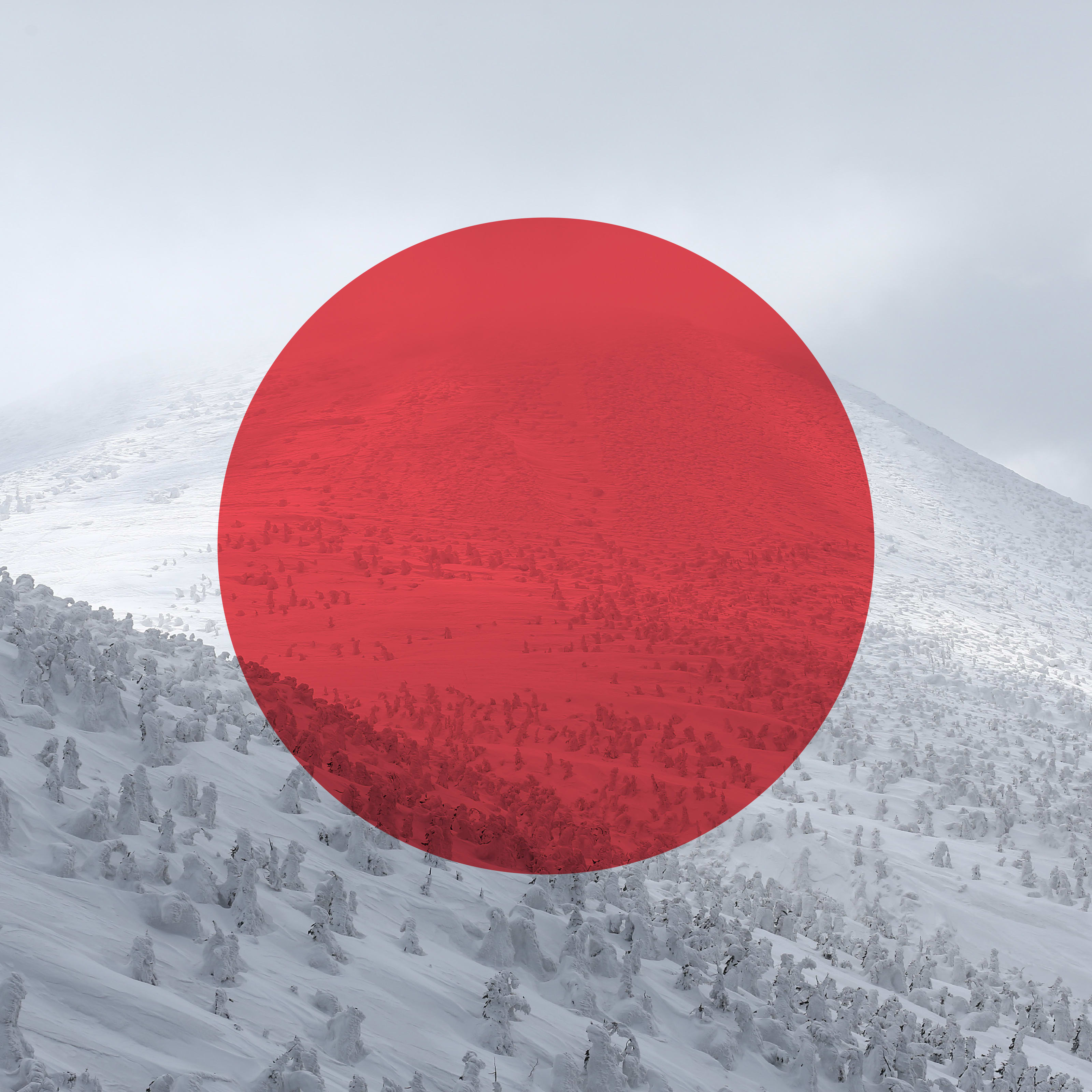
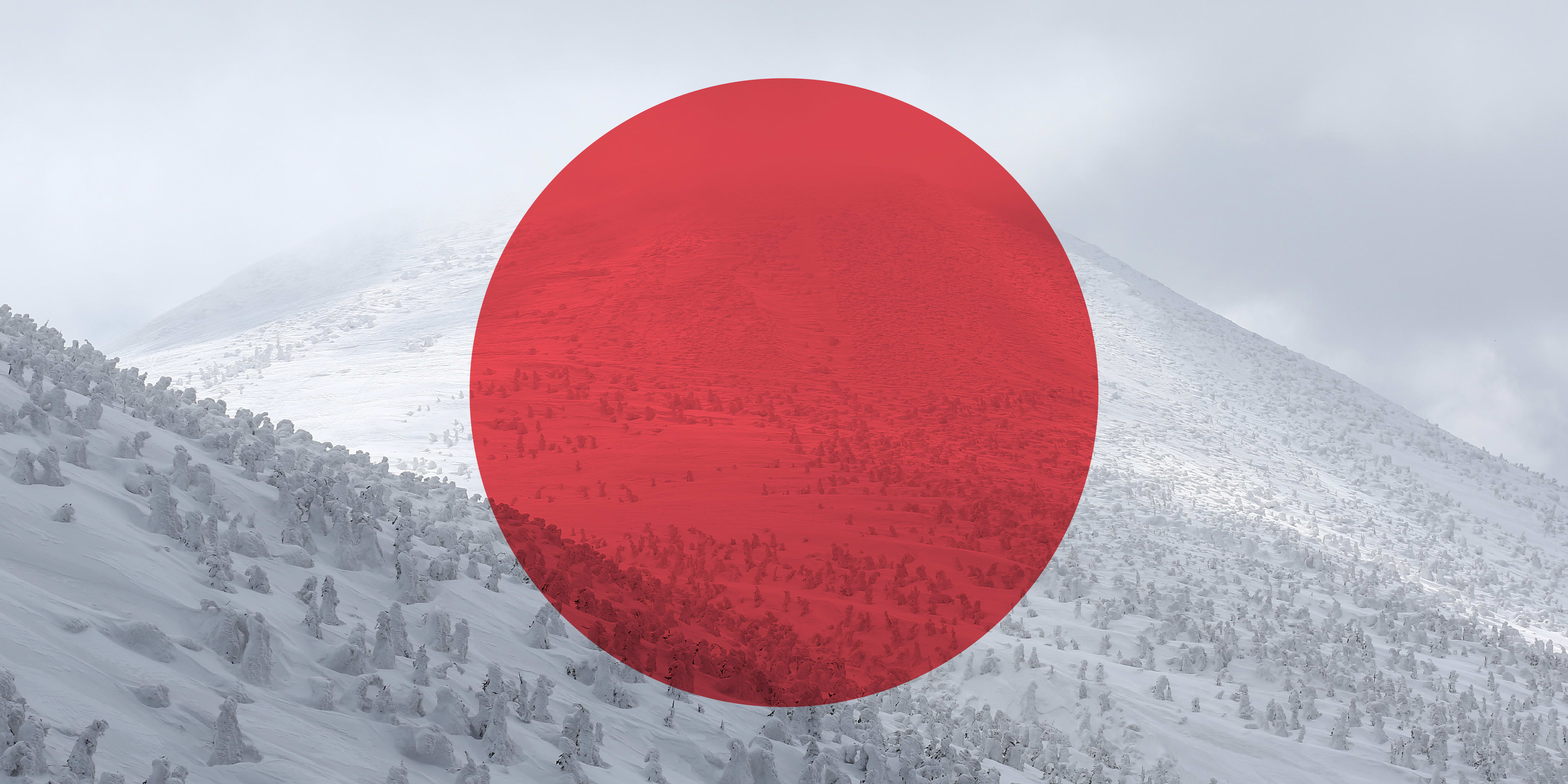
Aomori prefecture, located at the northernmost tip of Honshu in Japan, is surrounded by the sea on three sides, and is easily affected by monsoons in winter that bring snowfall. Hakkoda is located almost in the center of Aomori Prefecture. Hakkouda is a generic name for a series of mountains, and the tallest mountain is Hakkoda-odake (1585 m), which is also an active volcano. Ten major peaks stand alongside it. Each of them has its own slope to ski. Many hot springs of different qualities gush out from the surrounding area and most of the lodges feature one.
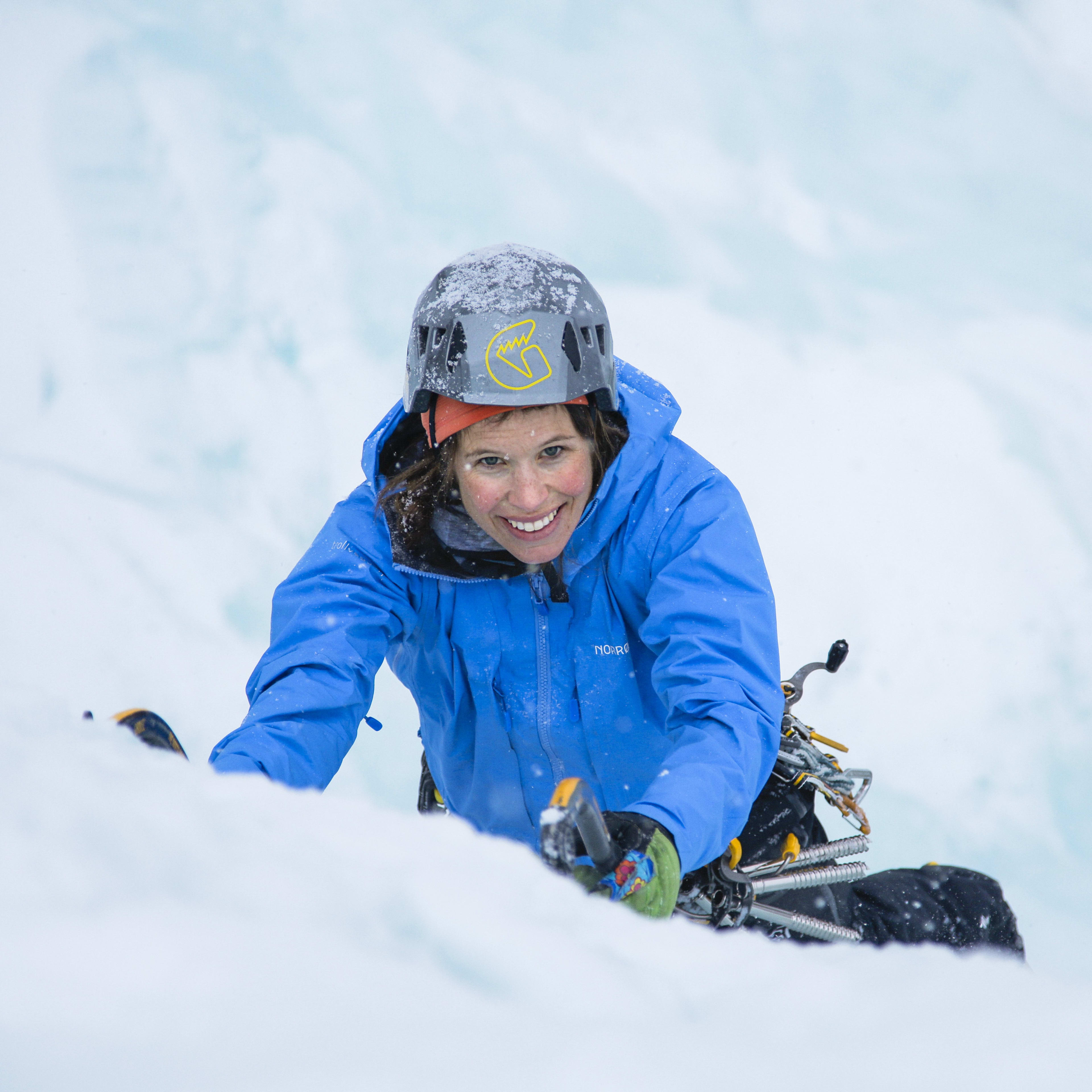
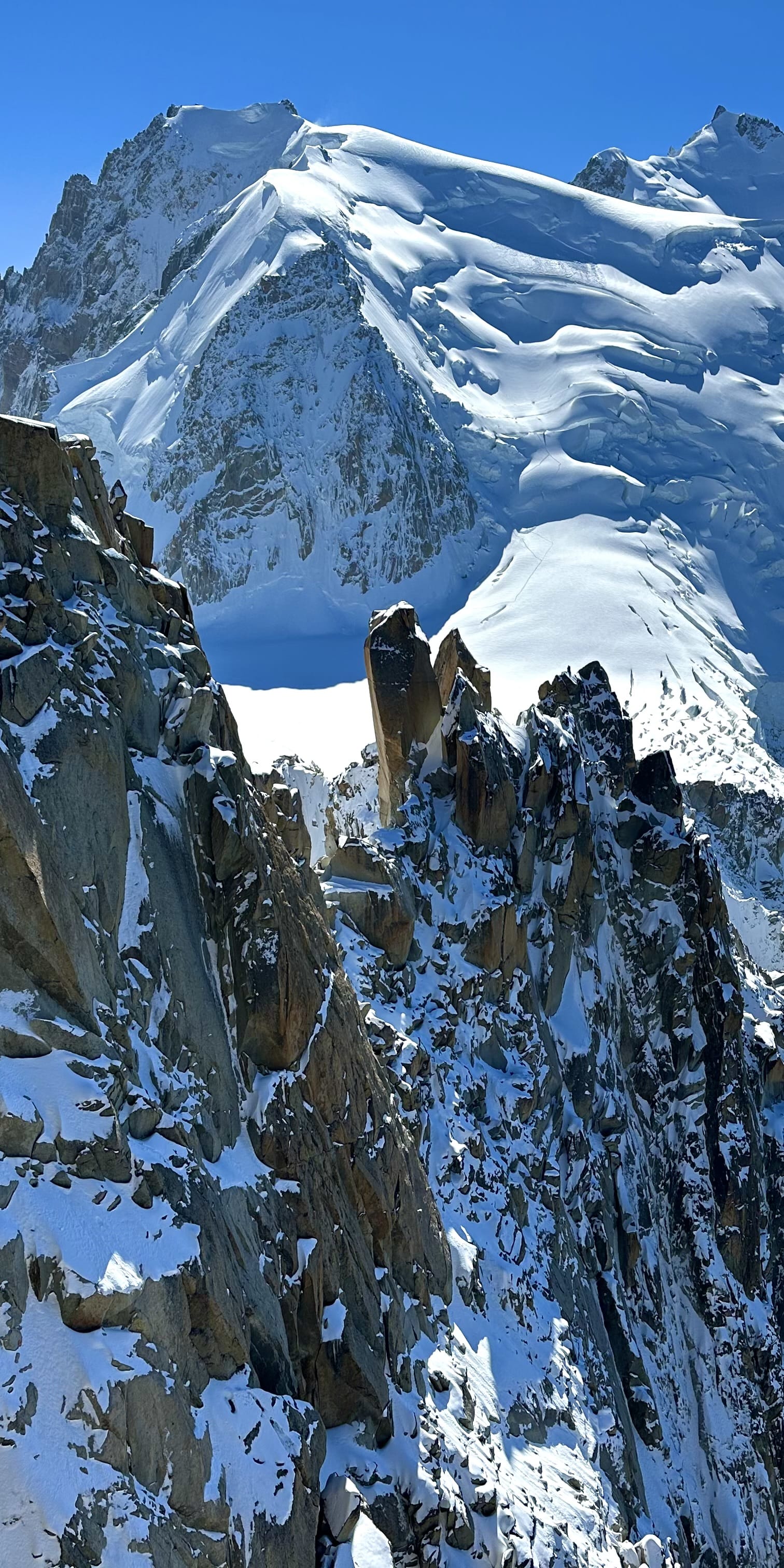
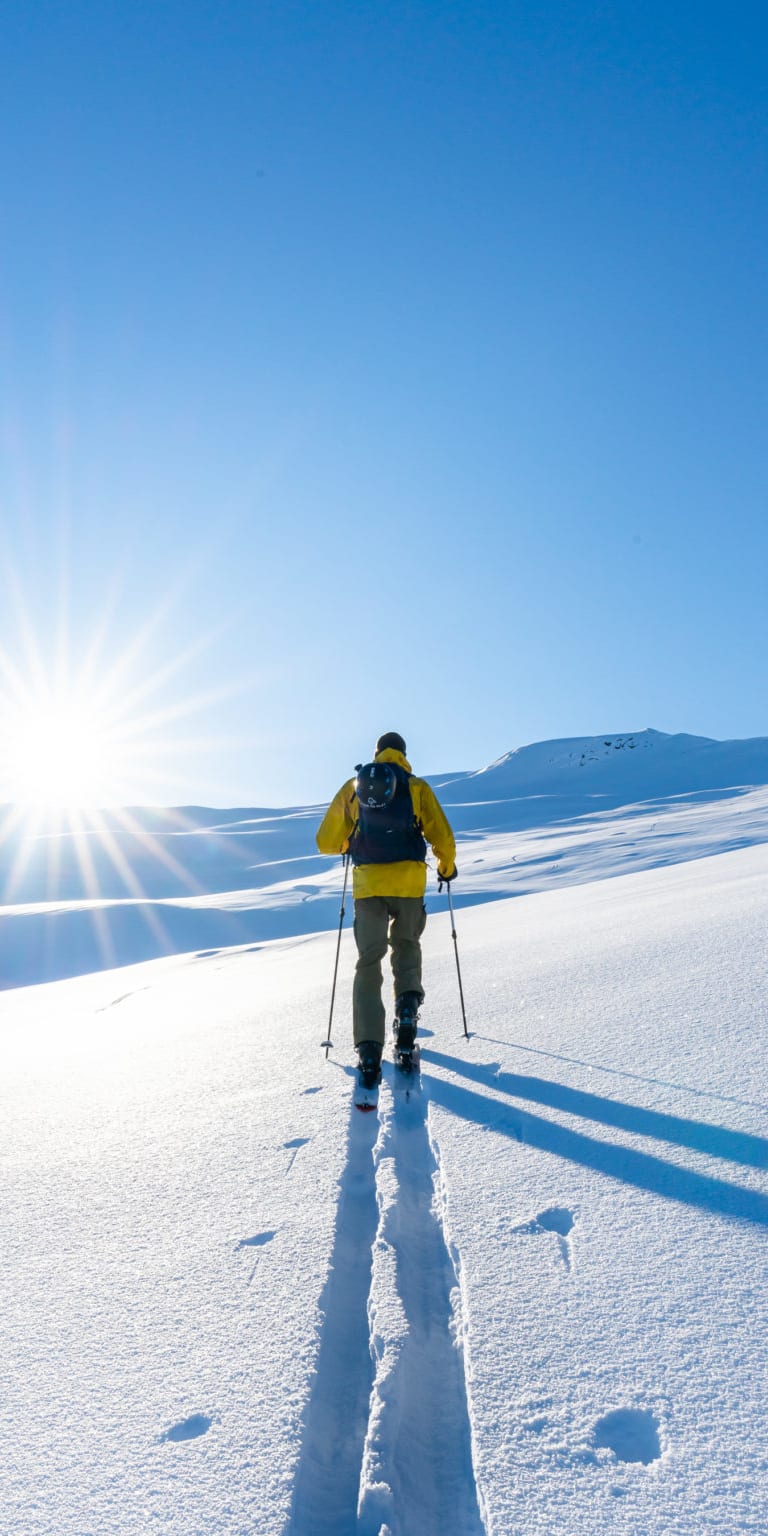
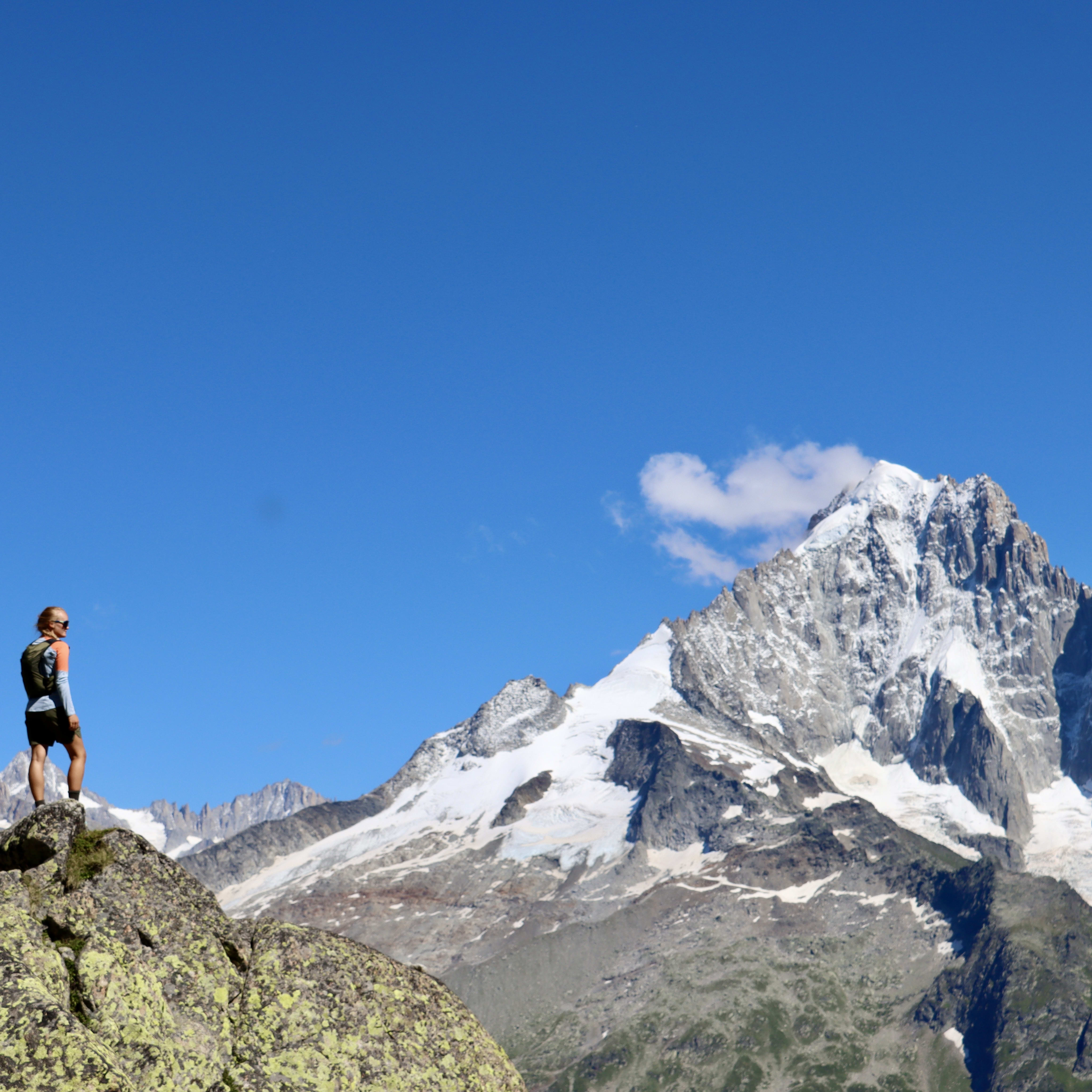


The mountains of the Tohoku region, where Aomori Prefecture is located, are generally gentle and compact in size, making them easy to visit. In the case of Mount Hakkoda in particular, it only takes about an hour to get there from Aomori Airport or Shin-Aomori Station. If you leave Tokyo Haneda Airport in the morning, you will be in a different world in the afternoon.
As a side note, the main image of this mountain in Japan is based on the 1902 Japanese Army snow marching exercise – hat resulted in the death of 199 people. Although it happened a long time ago, many Japanese still talk about it.
Osamu Nukaga is 64-years-old, self-employed and a local ski enthusiast. He says:
–The central route is my favorite. This is the route from the ropeway station to the top of the mountain down to the Sangayu Onsen. I ski through the Aomori Abies to Kenashitai, a snowfield. When the snow melts, this is a marshland where alpine plants bloom.
After walking through the beech forest, we come to a slope with a view of the hot spring, and all we have to do is slide down to the inn. This is an old downhill route, but nowadays there are few visitors, so you can enjoy a quiet ski tour.
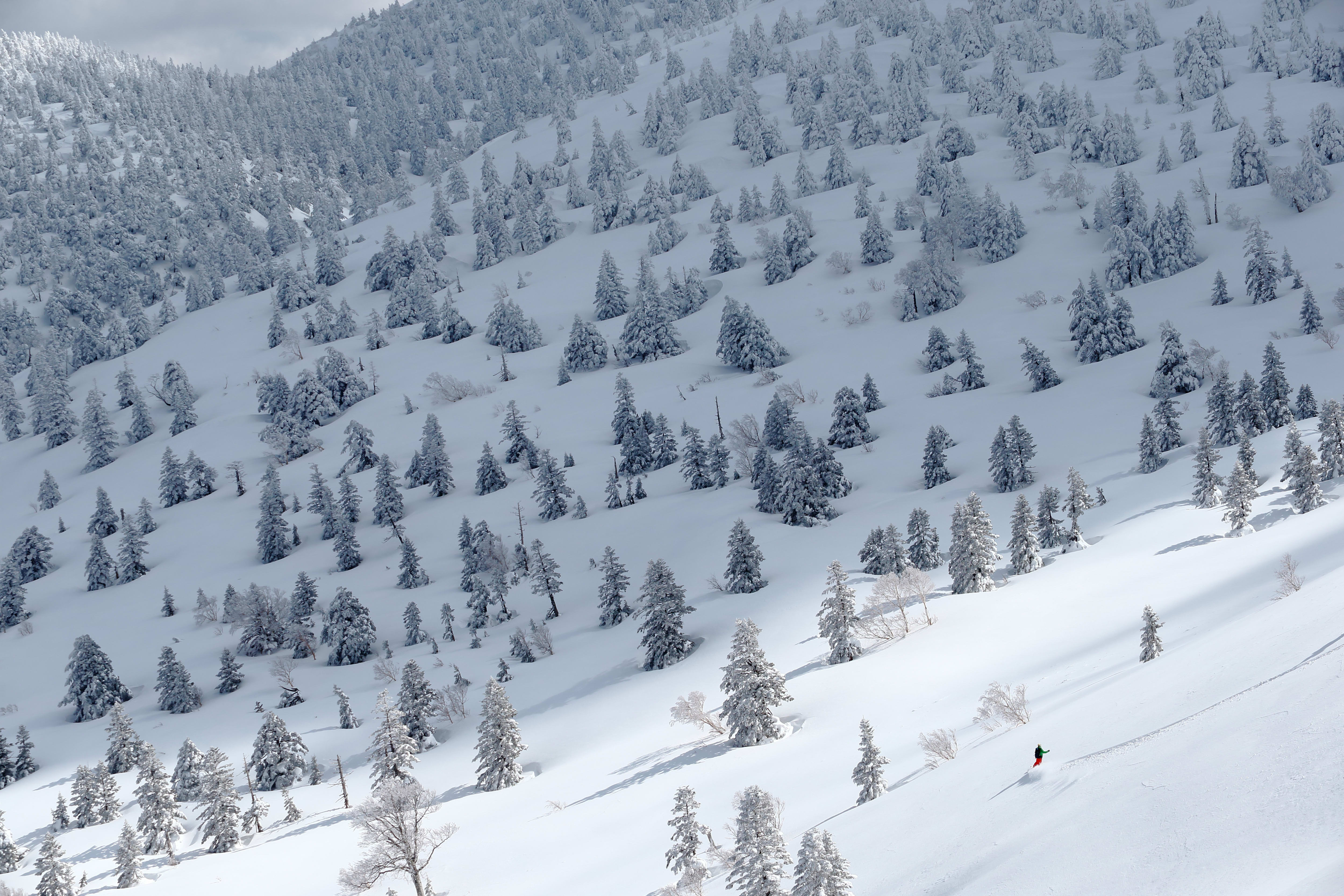
The great charm of these mountain is its abundant snowfall. Incidentally, Aomori City, located at the foot of Mt. Hakkoda, is said to be the heaviest snowfall city in Japan, with an annual snowfall of 812 cm. In January and February, there is snowfall almost every day, reaching its peak in February, with the deepest snowfall being about 5 meters at the area around Sangayu Onsen.
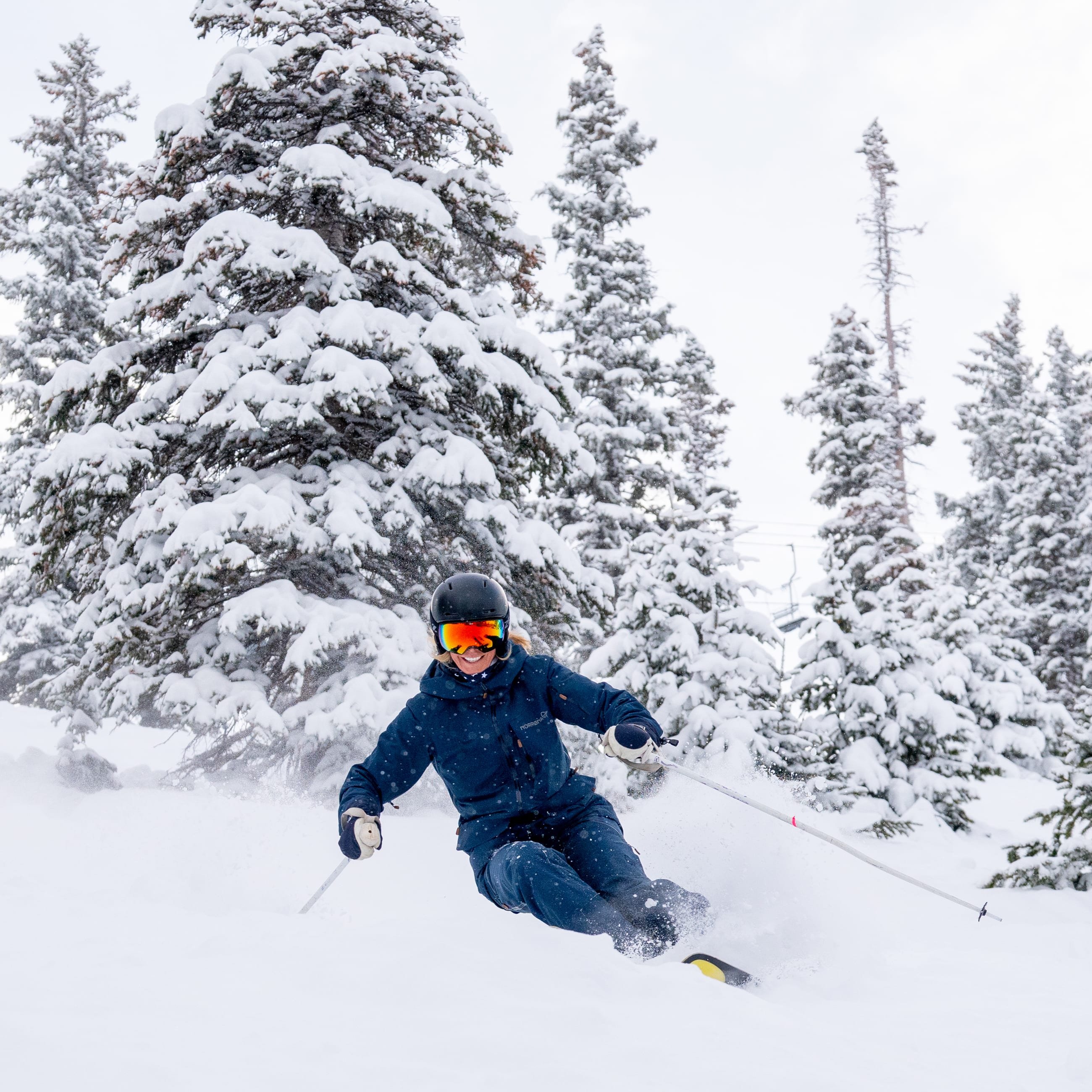
Therefore, the probability of encountering fresh powder snow is high. This also means that there is a low rate of clear skies, and sometimes the ski slopes are closed due to strong winds. However, it is also true that the rough weather brings excellent conditions. As the weather continues and the winter season reaches its midpoint, the juhyo (ice under the trees) that is so popular with tourists, begins to grow large, creating a scene that is unique to this mountain during the harsh winter season. If you are lucky enough to encounter a clear day, you will be able to see the fantastic white scenery covered with juhyo.
“This is a place where you can simply enjoy skiing.”

Takamasa Sato knows these mountains. He is 55-years-old, a public servant and loves the never-ending snow. He says: –Hinadake (1240 m) is my favorite summit. It is a peak located at the eastern end of the Kita-Hakkoda mountain range, and I do a round trip from the road at the foot of the mountain. The slope is quite steep, and you can enjoy both the stream and the ridge. There is bowl terrain that snowboarders in particular will love.
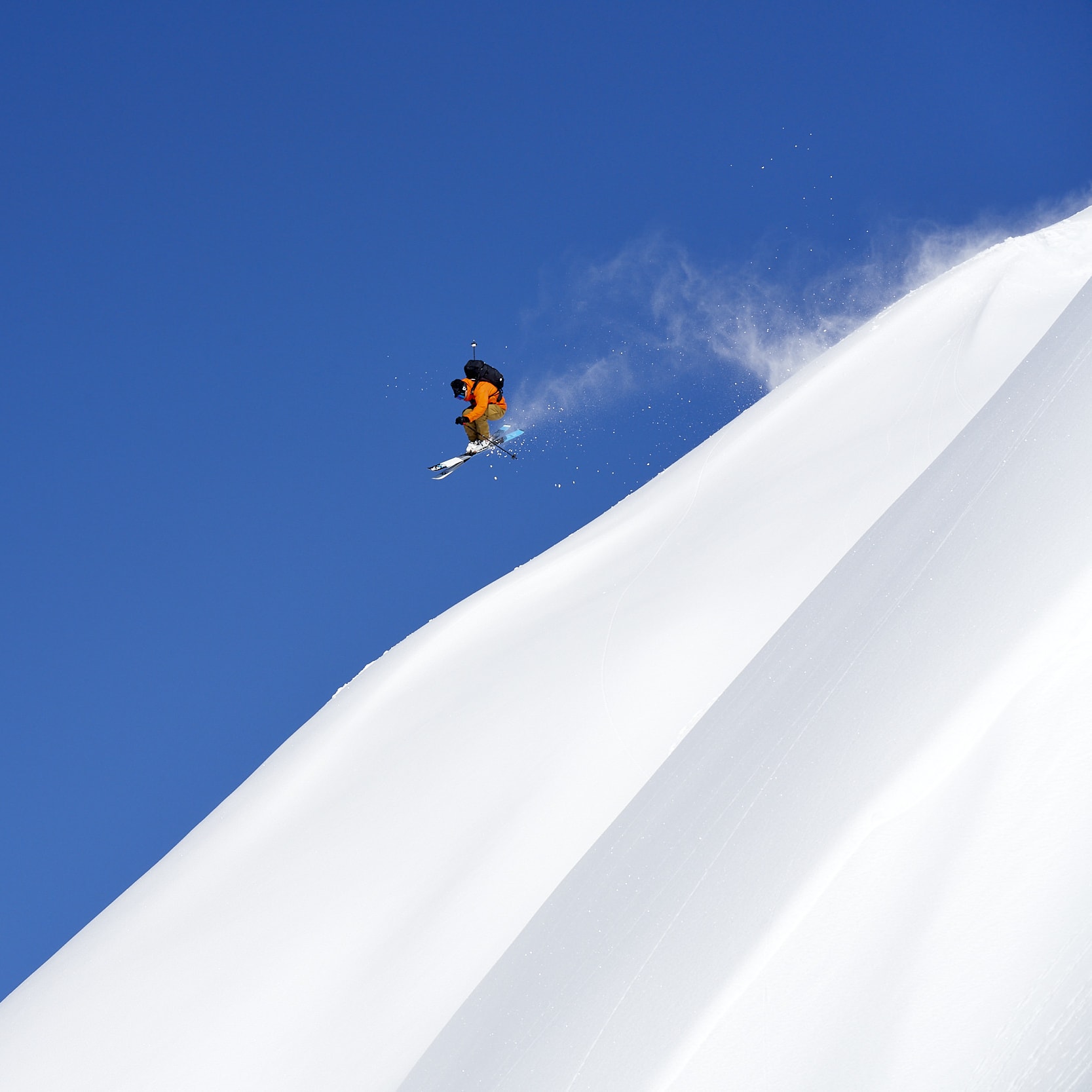
The ski season at Mount Hakkoda is from late December to mid-May, with the powder snow season lasting until early March, and the corn snow season tarting in April and continuing until the end of the season. This mountain is not like other Japanese ski resorts, such as Niseko or Hakuba, as it has only one 2600 m ropeway and one 600 m chair lift. There are only a few lodging facilities scattered around, and no place to play at night. There is no night skiing, neither. This is a place where you can simply enjoy skiing.
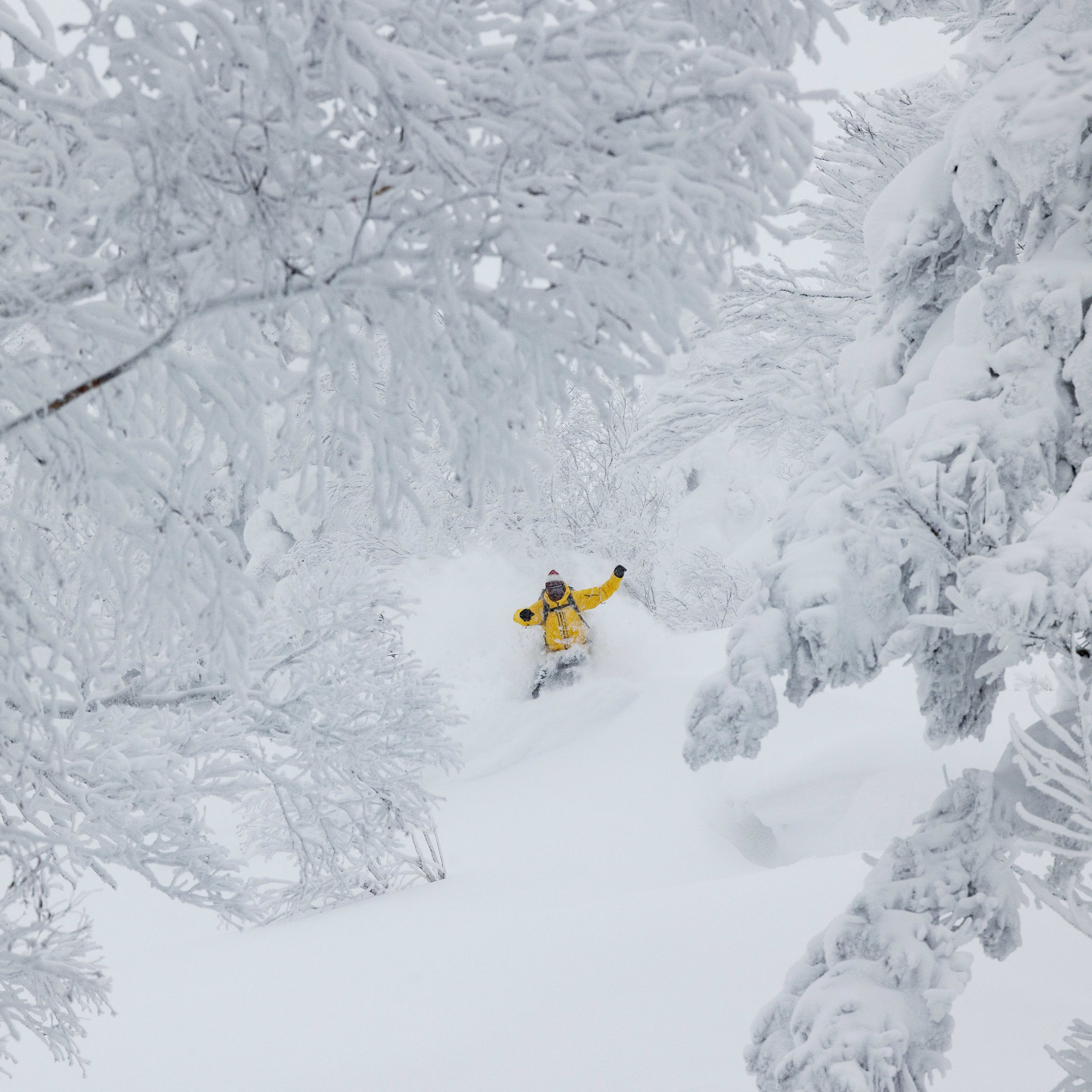
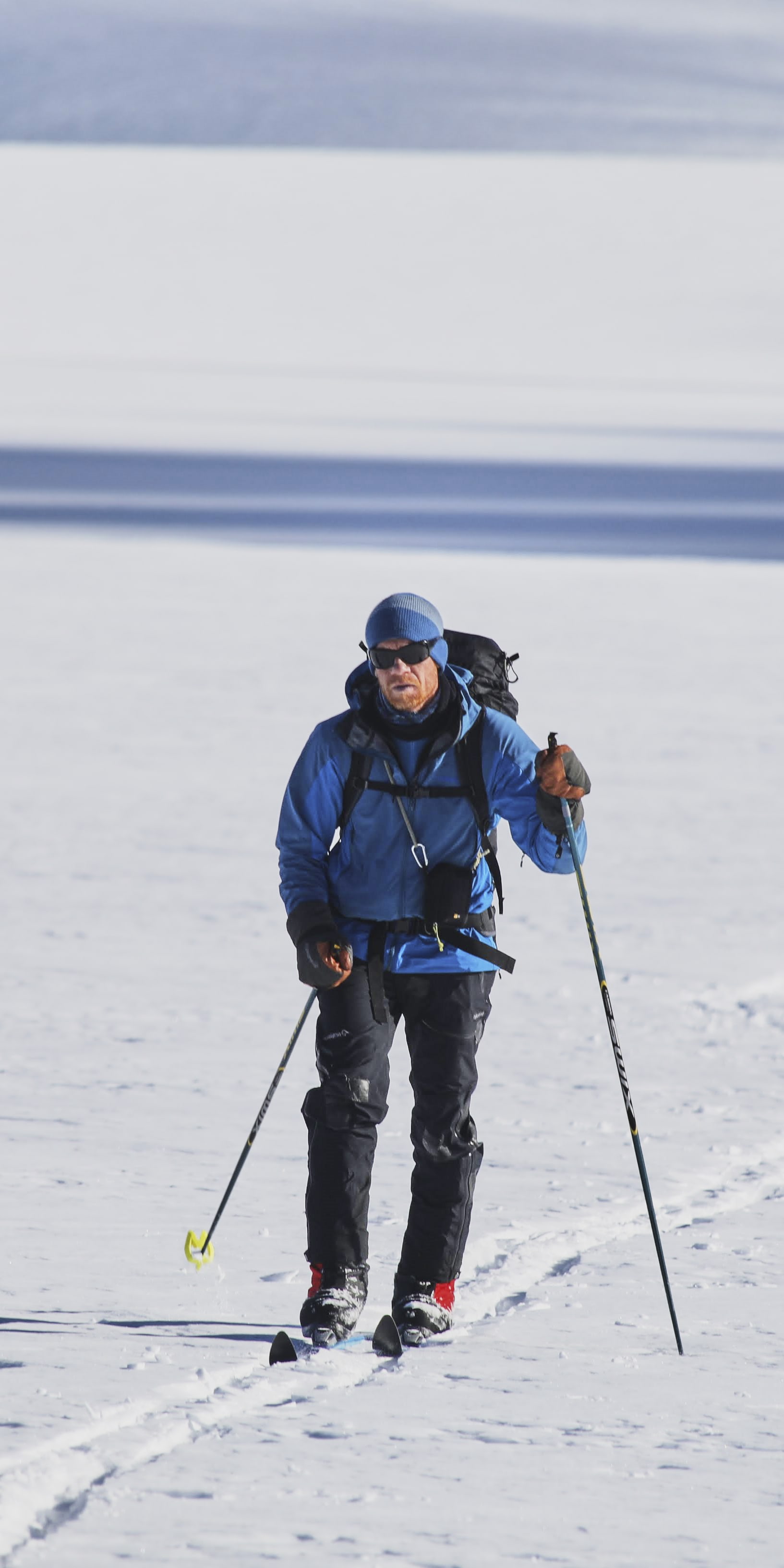
The main way to enjoy the area, is by ski touring. As a mountain range, Hakkoda is suitable for this kind of skiing, and several routes have been developed by local people since ancient times. Its history began around 1949. The route starting from Sangayu Onsen – the hot spring – is probably the best way to enjoy the atmosphere of the mountain, where the forest zone continues
In deep snow.
Facts
Hakkoda
In general:
Hakkoda’s average snow base is an impressive 4-plus-metres each year. There are runs as long as 7 km that stay true to the mountain’s natural form, you’ll be able to challenge the mountain as is, along with its natural elements. It’s not just the powder on the ground that makes Hakkoda unique – the mountain’s characteristic “snow monsters” make an unforgettable scenic backdrop to your snow adventure. The snow monsters are produced when water droplets carried by strong seasonal winds clash with the evergreens and freeze in place to reate unique shapes. There are only a select few mountains in Japan that have the unique climatic conditions necessary to produce these snow monsters, and Hakkoda is one of the best among them.
Season:
Hakkoda’s ski season typically runs from mid-December until mid-May – depending on snow and weather conditions.
Access:
From Haneda Airport: 1 hour 15 mins.
From Tokyo Station catch the Tohoku Shinkansen.
Bullet Train to Shin Aomori Station: 3 hours.
More information:
hakkoda-ski.com