Published: Feb 6, 2026
From sketch to hanger, each Norrøna product takes years in the making. Our brand’s product development includes multiple rounds of commentary and quality assurance from internal sources, in addition to 300 plus hours of extreme user testing by our Ambassadors and product testers in the field in which each item is designed for.
It is an arduous, time consuming process with a lot of moving parts, though you’ll never hear us complain as we work to keep our minimalist viking logo a symbol of high quality classics.
However, our latest project is questioning the age old saying ‘don’t fix what’s not broken’. Our current design and development process is far from ‘broken’. It’s hardly even flawed, but we have to allow for change in order to make room for innovation. In preparation for new technology, we’re speeding past previously cemented product development timelines and proving that sprint design and factory automation are bright stars in the world of outdoor retail.

From the first sketch
The Norrøna House is based just outside of Oslo, Norway. It is an inclusive setting where all departments work closely together. Our HQ within the Norrøna House, is a newly remodeled former paper factory built in the 1800’s situated right next to a river with views of the Granfossen waterfall from nearly every conference room. Up until the mid nineties, Norrøna garments were both designed and manufactured in Norway. Due to the lack of sewing expertise, design stayed in-house and production was forced to be outsourced with strong quality control systems set in place. Despite the high standards and good working relationships between Norrøna HQ and the production centers they formed long term partnerships with, a natural divide was formed between factory and design.

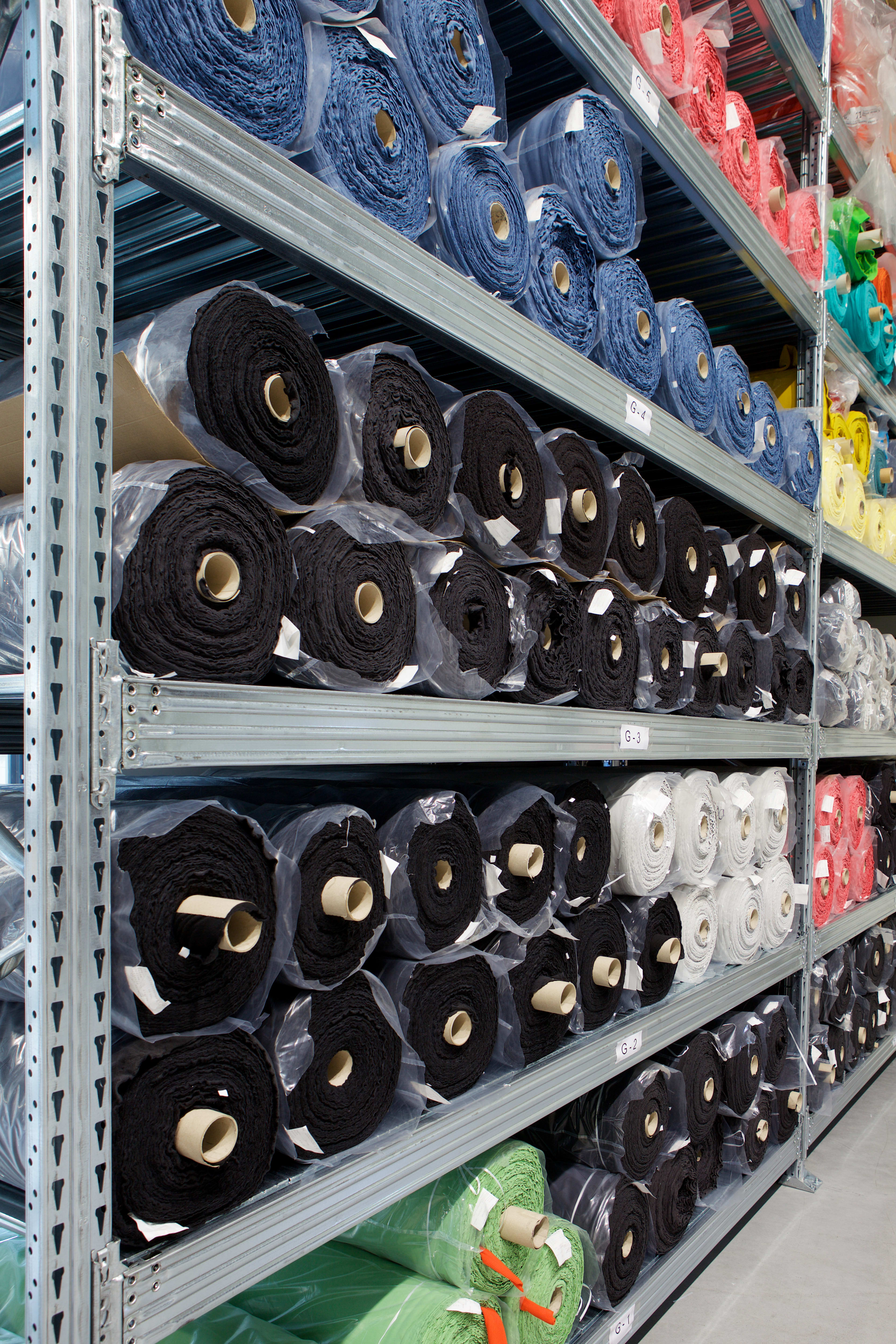
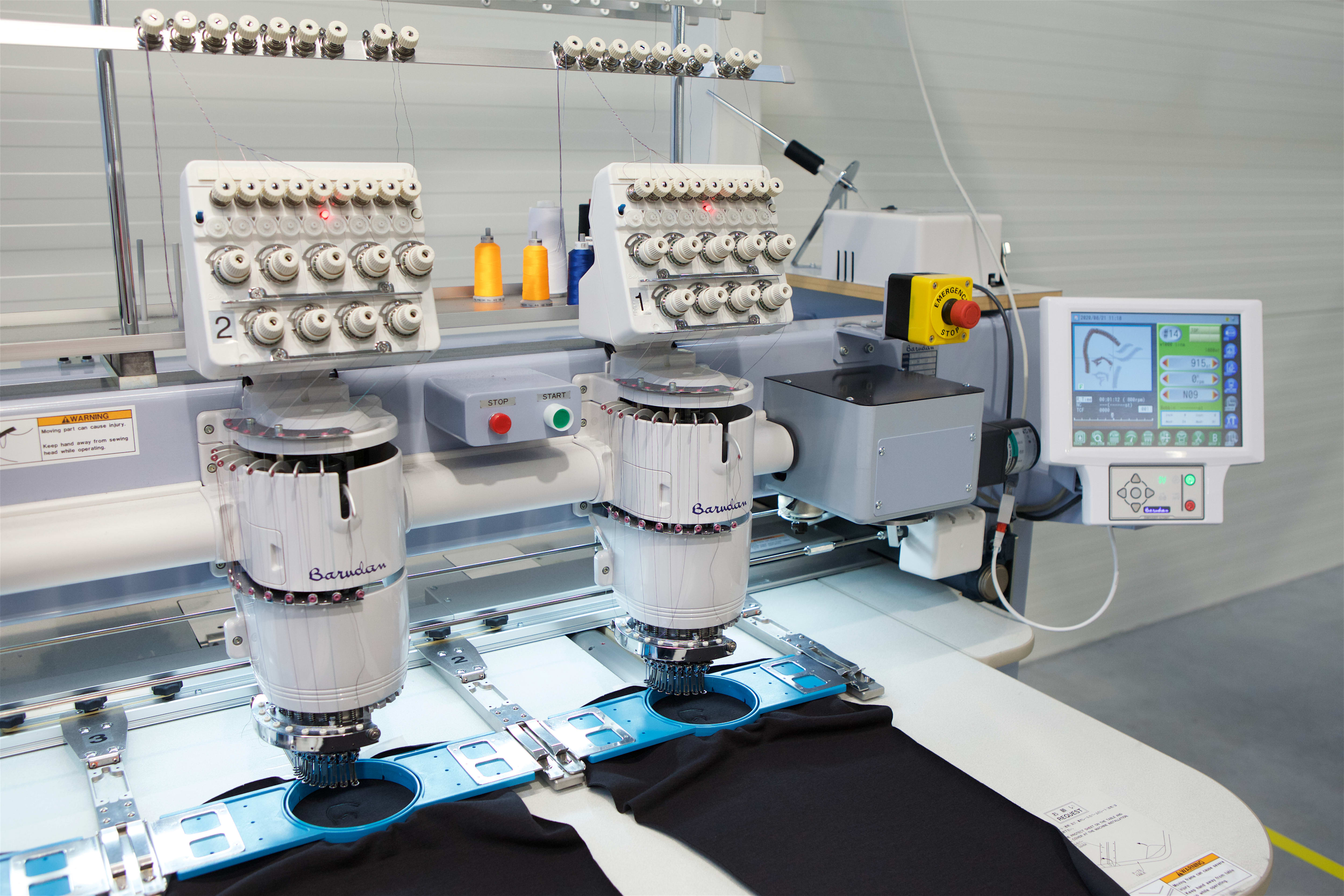
In 2020, we opened the Norrøna Factory in Lithuania. It only produces Norrøna products from fabrics made in Europe and was built to produce highly functional products with premium quality more sustainably. Our wish to run our own factory stemmed from our desire to have more control over the salaries and working conditions of the factory team abroad. It also gave us more opportunity to improve innovation and flexibility while proactively working towards a long-term vision of automated production.
What is automated production? Simply put, it is the incorporation of automation from end-to-end manufacturing processes. It’s the first step towards standardization.
“Converting automation into standardization is an important tool for making a product with a higher quality,” says Norrøna’s Research Development & Design Director, Fredrik Lundberg. “If you repeat a task 1000 times, it’s more likely to be done better than if you had it 50 times. Standardization is effective and it makes it a must for automation in terms of efficiency.”

More effective and inclusive
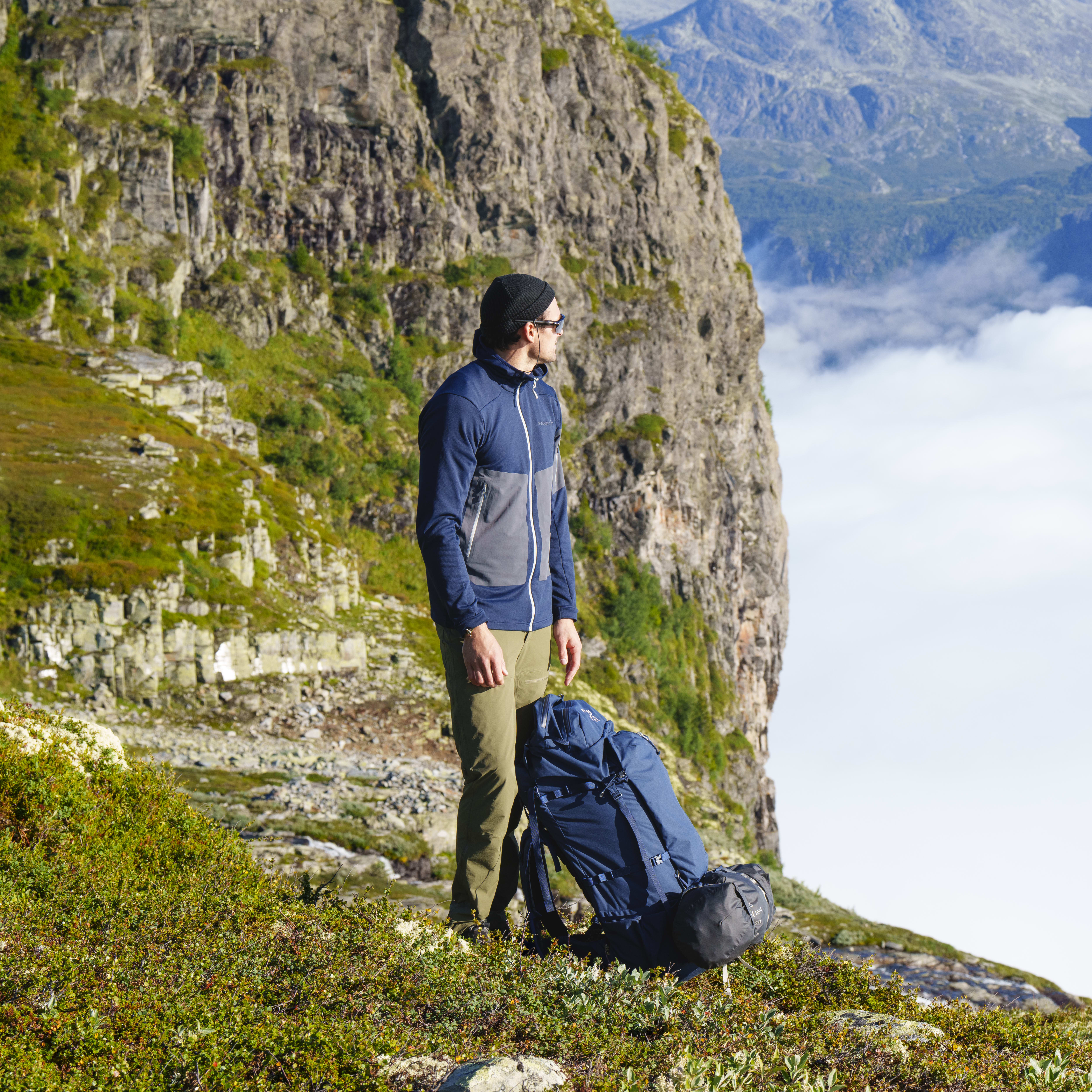
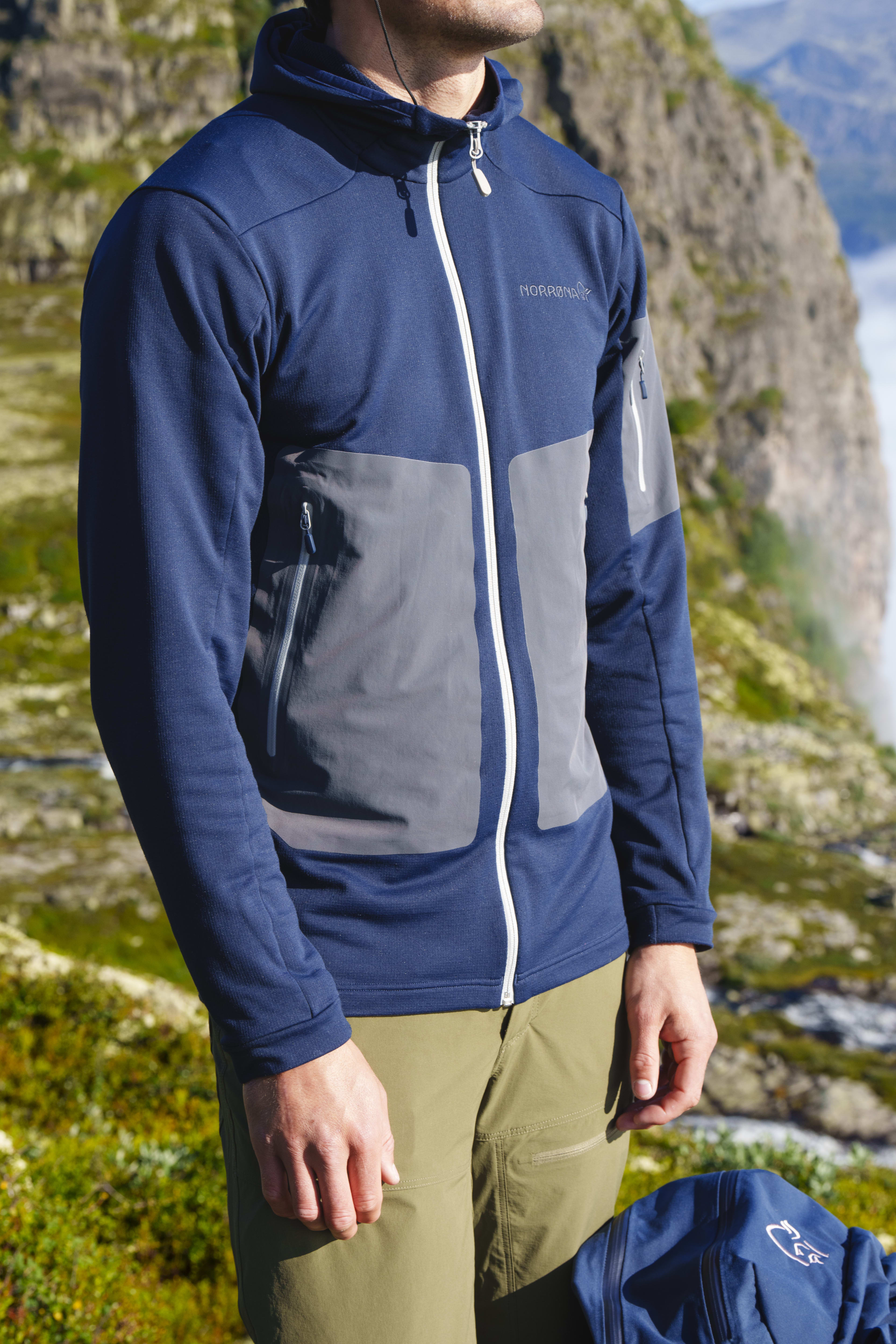
Our design department works on multiple seasons at once and years in advance of their debut. We continually ask ourselves, how can we be more effective and inclusive? With this question at the forefront, the idea for an automated fleece was generated in the fall of 2022 – A men’s falketind fleece, which carries the working title, pontetorto, within our company.
“This fleece is a part of preparing for automation,” says Fredrik. “If we see that the volume of this style is increased, then we can increase our investments towards an automated sewing machine.”
“The aim of the project from our point of view was to have an efficient fleece for production that would suit the factory. And that the operations that were suited to the factory,” shares Norrøna Factory Director, Lithuanian native Mindaugas Sinkevicious. “And when it comes to factory automation, we have machine and knowledge restrictions. With this in mind, we started the pontetorto fleece project by taking the best practices already set in place and using them as our guide book.”
Planning for a challenge
One of the most important parts of all projects is to identify the pain points up front.
For the production of this specific fleece, it was to balance the efficiency (sewing minutes) with an appealing design. “For RD&D it was different from when they could do whatever they wanted,” says Mindaugas.”We prepared a handbook on what we would like and what we aim for. Not rules, but more suggestions for the designers at Norrøna House. That’s when Mariken Aasen stepped in. She gave this project structure.”
Completely new to the textile industry, Mariken came with a background of business and economics with a focus on strategy digitalization.“I worked mostly with softwear automation, there are a lot of similarities,” she says. “When we started, it became clear we needed to strengthen our communication. Could we move factory feedback more forward?
Also, we currently work with a very strict timeline that ensures we make the world's greatest products. Norrøna designers create based on their knowledge and their vision. By having our own factory, we have to be more aware of what a factory can and will produce. By working with a handbook from our factory and introducing sprint design, it becomes sort of adhoc when a product doesn’t follow normal timelines because the deadline is suddenly shorter and you have to reinvent the timeline. This also affects the resources.”
-2309-Factory%20automation.jpg)
Machines replacing manual skills is hardly news in the textile industry. So just how innovative is this project? “Part of the textile business has been automated for at least 30 years. Especially with specific products that don’t change in design like a dress shirt for example. It’s hard to say for the outdoor industry, I would guess that we are ahead of the curve,” says Fredrik.
“If you think about it in historical terms, there haven’t been too many changes after fast fashion took over and the majority of the industry switched to overseas production. It's hard to say if we're ahead of the curve, but we’re one of the few brands that own our own factory,” says Mariken. “By not outsourcing production, I think that we can change the trend we see in the outdoor wear industry. To be honest, it might not be as cost effective, but it’s smarter and in the future it will benefit.
Next steps
Most machines that automatize today work well with straight seams and stiff materials. And not softer fabrics with curved seams. Currently, these automation machines work best with a one size fits all model. For us, it would be useless to invest in a lot of machines that don’t fit their design modules of curved seams and more technical fabrics.
“If the volume increases, then we can go to the machinery designers with exactly what we need and ask if they are able to create it. Let's use the hems of a standard Norrøna base layer for example, says Mindaugas.” The back is longer than the front and to date, we don’t have machinery that can construct droptail hems. If we find that this new sprint design method works, then we can invest in the right machinery. This is an idea, we have a long way to go but if we can implement the same automation seam into all of our baselayers, then we’re more efficient.``
The eye-openers
“I wasn’t surprised but I was very happy to see RD&D stepped forward and found solutions. It was a good feeling that we reached our goal together. If this made them even more creative, that's possible.,” says Mindaugas. When asked if receiving a brief from the factory stifles this process when it comes to design, Fredrik quickly responds, “Not necessarily, it also opens up for new opportunities. It forced us to find new solutions.”
“After receiving feedback and working closely with the factory, we have utilized several key resources from RD&D to design this fleece,” says Mariken. “We have simplified the sewing lines and opted for glued pockets, which not only makes the fleece more efficient but also adds sophistication to its overall design. Following the Norrøna design, this fleece is highly versatile with advanced features that set it apart.”
‘Sprint’ may be a synonym for ‘fast’, though our newest sprint design method is so far from fast fashion, the two should never land in the same sentence outside of this one. “From a manufacturing standpoint, it shouldn’t affect the quality as we have our standards in place. I can not answer a concrete yes or no at this moment. Time will tell, but this is a high quality material Norrøna has used for years. For me, the only gray area is how it’s going to work outside the factory,” he says.
This is just a small batch test, what we would need to move forward is to first gauge how well it's received by the public and that we hit the numbers we want production wise.
So far, our testers are reporting positive feedback. It’s performing really well technically and the efficiency of the design process was an eye opener for design and factory.

Bridging the gap
At the current time of writing, Norrøna is talking about automation and not a tool. This is the future of how we want to design, in sync and with direct feedback from our own factory. There are no plans to build a specific collection of its own, but more the projection is to have a family of products designed in this way. “Allowing the factory to join in a product kick off and not at the end is a success in itself” says Mariken. “Previously, their feedback was almost too late.” It’s more agile, and more of a sprint method, built upon previous experience and the standing methods we have in place. By optimizing the design, we have successfully reduced sewing time and laid the groundwork for future automation. Additionally, we have placed a high emphasis on achieving maximum material efficiency to minimize the amount of unused trims.”
“We can’t say this is a success yet,” says Mindaugas. “Sampling and production are two totally different things so I’m looking forward to finishing the project. From my perspective, I would like to have this kind of process more often. Right now we’re working on a pair of shorts already with the technical package. If we want to stand by this new process, then we should start incorporating this way of working into new projects.”