
Published: Mar 3, 2026
We are proud to announce a new partnership with Bellona and the launch of the Center for Marine Restoration in Kabelvåg, Lofoten. Here, the environmental foundation will collaborate with researchers, technology developers, businesses, and local communities to address one of Europe's biggest ecosystem crises.
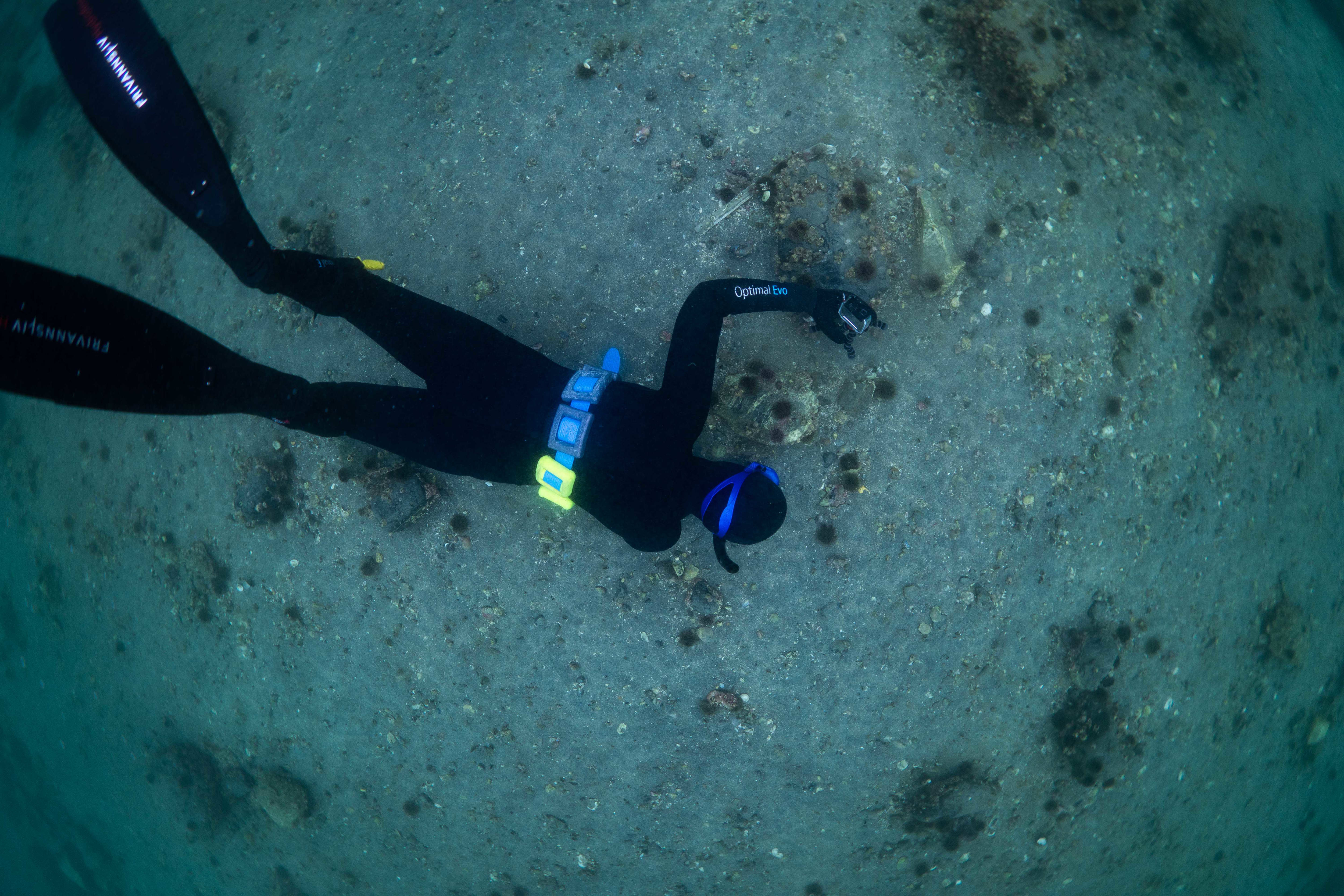
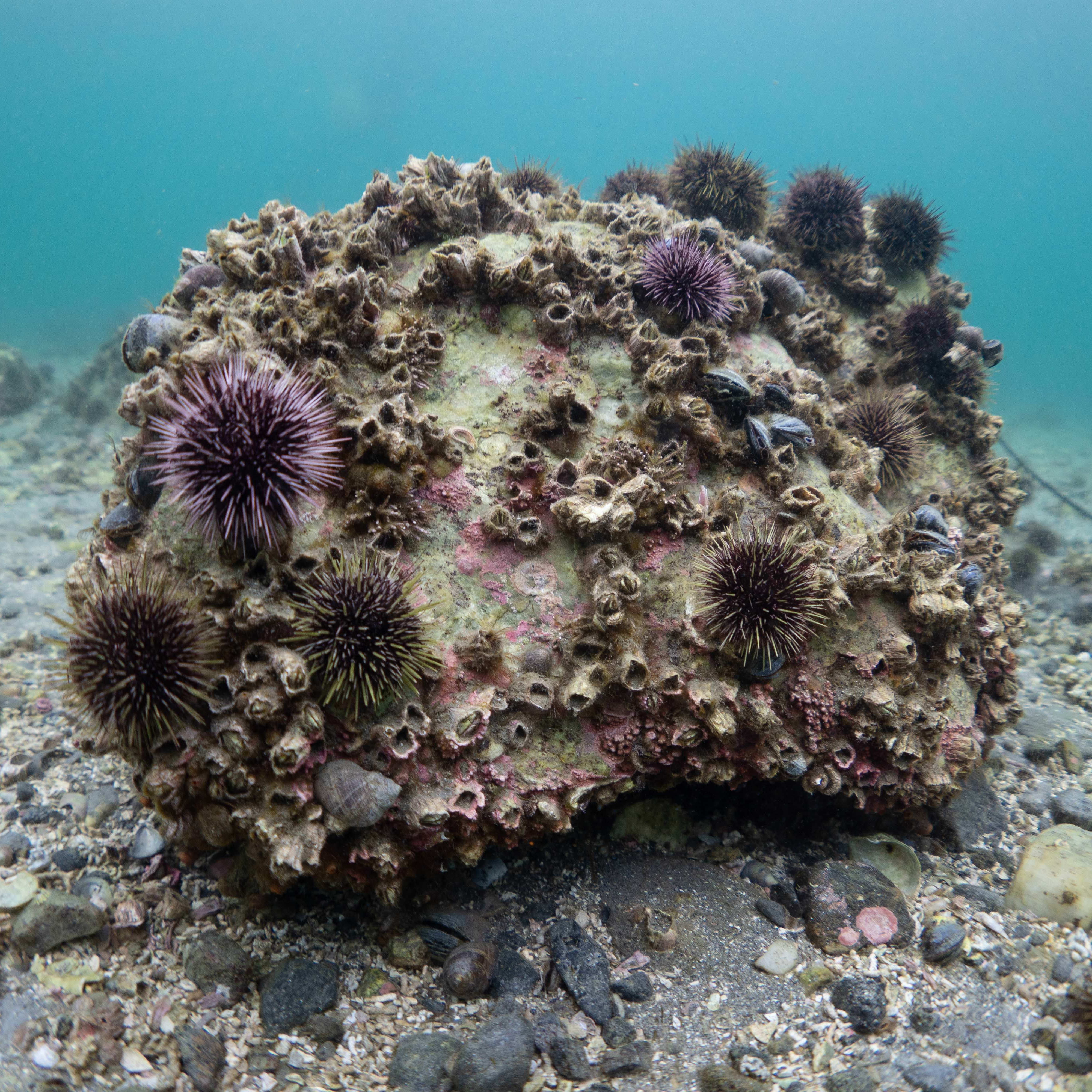
Since the 1970s, an enormous area of 5,000 square kilometers along the coast of Northern Norway has transformed from lush kelp forest to barren sea urchin desert. This has led to a significant loss of carbon storage and biodiversity, as well as a loss of 50,000 tons of large fish annually. The cause is human activity, primarily past overfishing of sea urchin predators like cod and wolf fish.
— It feels natural for us at Norrøna to collaborate with the Bellona Foundation on this important marine project,
Jørgen Jørgensen, 4th generation leader of Norrøna.
— Not only because we are a responsible company that sets strict environmental standards for ourselves and is generally committed to conservation. This is also about the fact that our hearts beat especially hard for Northern Norway. Many of our most important collections and products are inspired by nature in the north – and in addition, we have several guided tours and exciting travel initiatives in the region. Until recently, few of us were aware of the environmental crisis unfolding off our coast. The fact that the seabed has gone from being a lush kelp forest to a desert of sea urchins is very serious. That's why it makes perfect sense for Norrøna to join when Bellona asks us to participate in this collaboration to restore the Norwegian kelp forests.

— The world's ecosystems are largely affected by human activity. Moving forward, restoring nature to achieve ecosystems in balance will become an increasingly important part of the international climate and environmental fight. In Norway, we must start right outside our own doorstep, along the coast of Northern Norway,
says Joakim Hauge, global head of science and strategy at the Bellona Foundation.
Entering into partnerships with Norrøna, the University of Tromsø, The Lofoten Council and Blue Harvest Technology Hauge says that restoration is possible and can yield substantial benefits but it will require innovation and unconventional collaborations to develop solutions that truly make an impact.
The Center for Marine Restoration (SMR) will be a powerhouse to turn one of Europe's biggest ecosystem crises into opportunities for future-oriented business development in Northern Norway and to achieve national climate and environmental goals. The center aims to accelerate and coordinate research, technology development, information sharing, and quantification of restoration effects. SMR will serve as an infrastructure that can be utilized by other actors from research, students, volunteers, startups, and larger commercial entities working on solutions in the value chain. The center will also have a dedicated strategic focus on research and technology development that Bellona and its partners have identified as particularly important for enabling holistic solutions for large-scale natural restoration.
We look forward to contributing to these projects together with Bellona alongside the research environment of The University of Tromsø, the Lofoten Council, technology partner Blue Harvest Technologies, and other future contributors.