Published: Feb 18, 2026
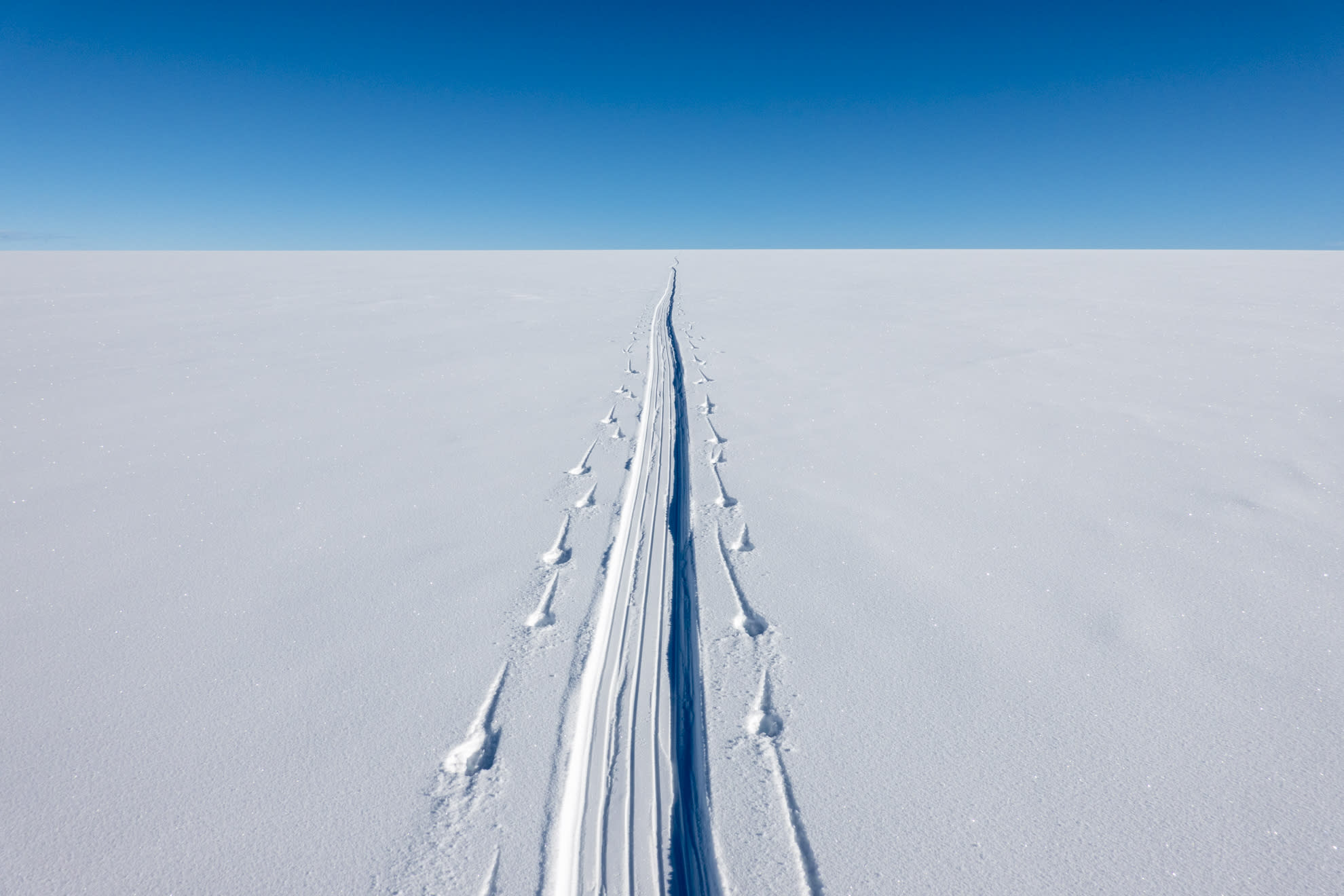
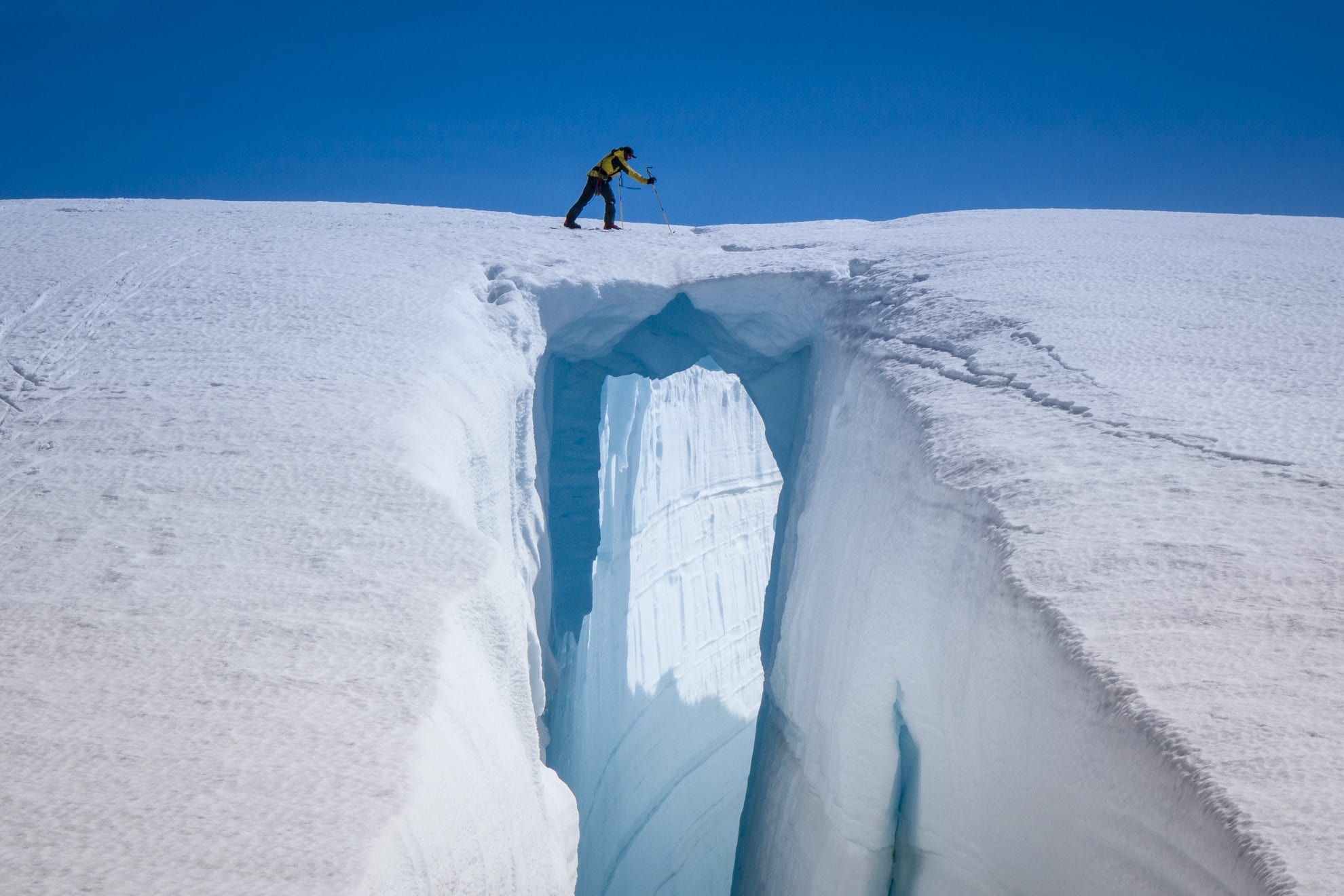
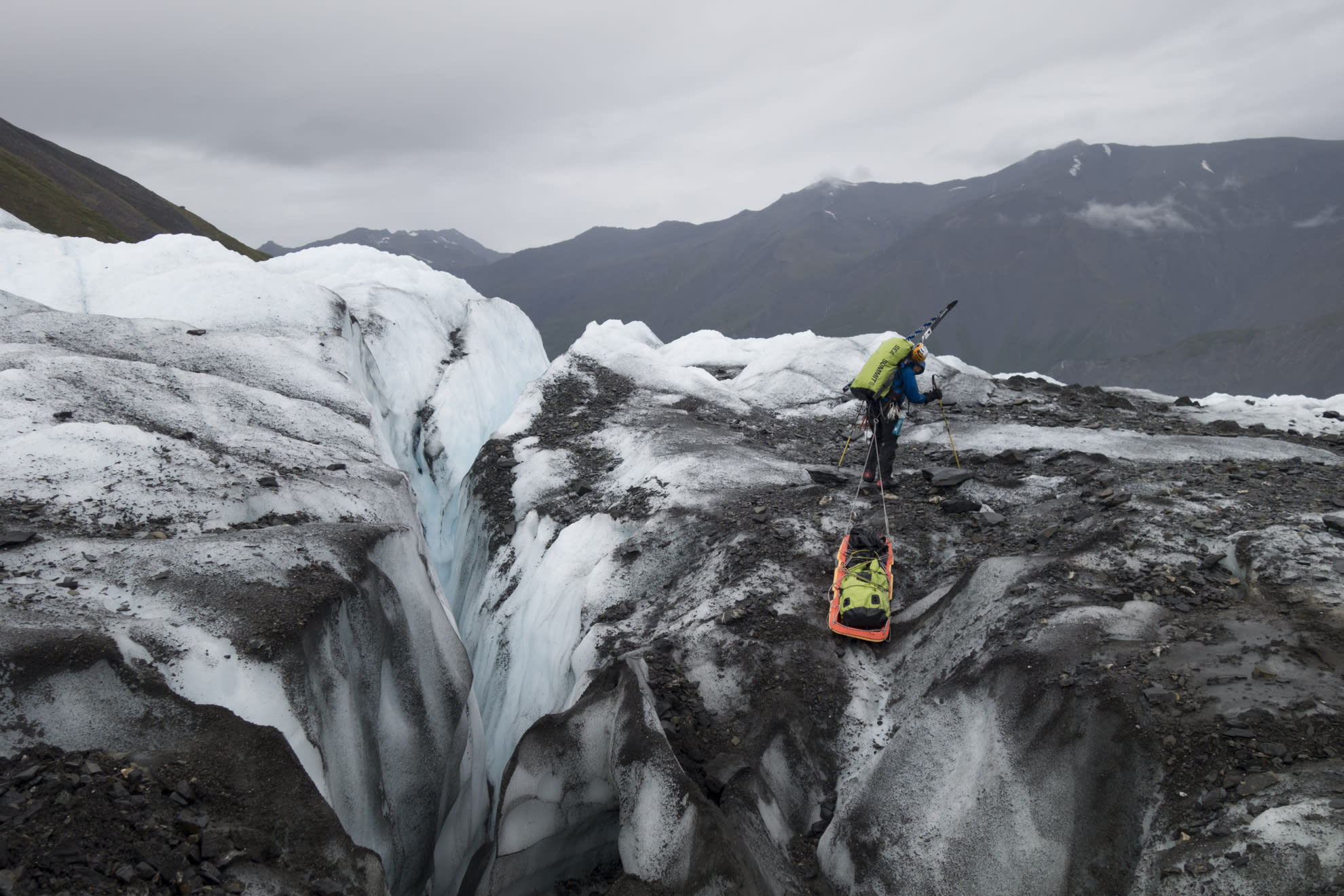
Let it be crystal ice clear. The Icelegacy project to cross the 20 largest ice fields on earth is tough. Not only are we scared of crevasses, like the giant holes of the Alaskan ice caps, but we are concerned by the dramatic and overwhelming changes.
Ice is an important component regulating the temperatures and allowing life on earth. It is fragile and melting at a very fast rate under our watch. Being cold is crucial and the stakes are high. The balance on our planet might never be healthy again. How much do we contribute to this imbalance?
Fellow Norrøna Ambassador Børge Ousland and I started the Icelegacy Project about a decade ago.
The idea is to go beyond the satisfaction of our own ego and performance. We are two different generations meeting with the same passion, convictions and values, animated by the same willingness to push exploration boundaries further.
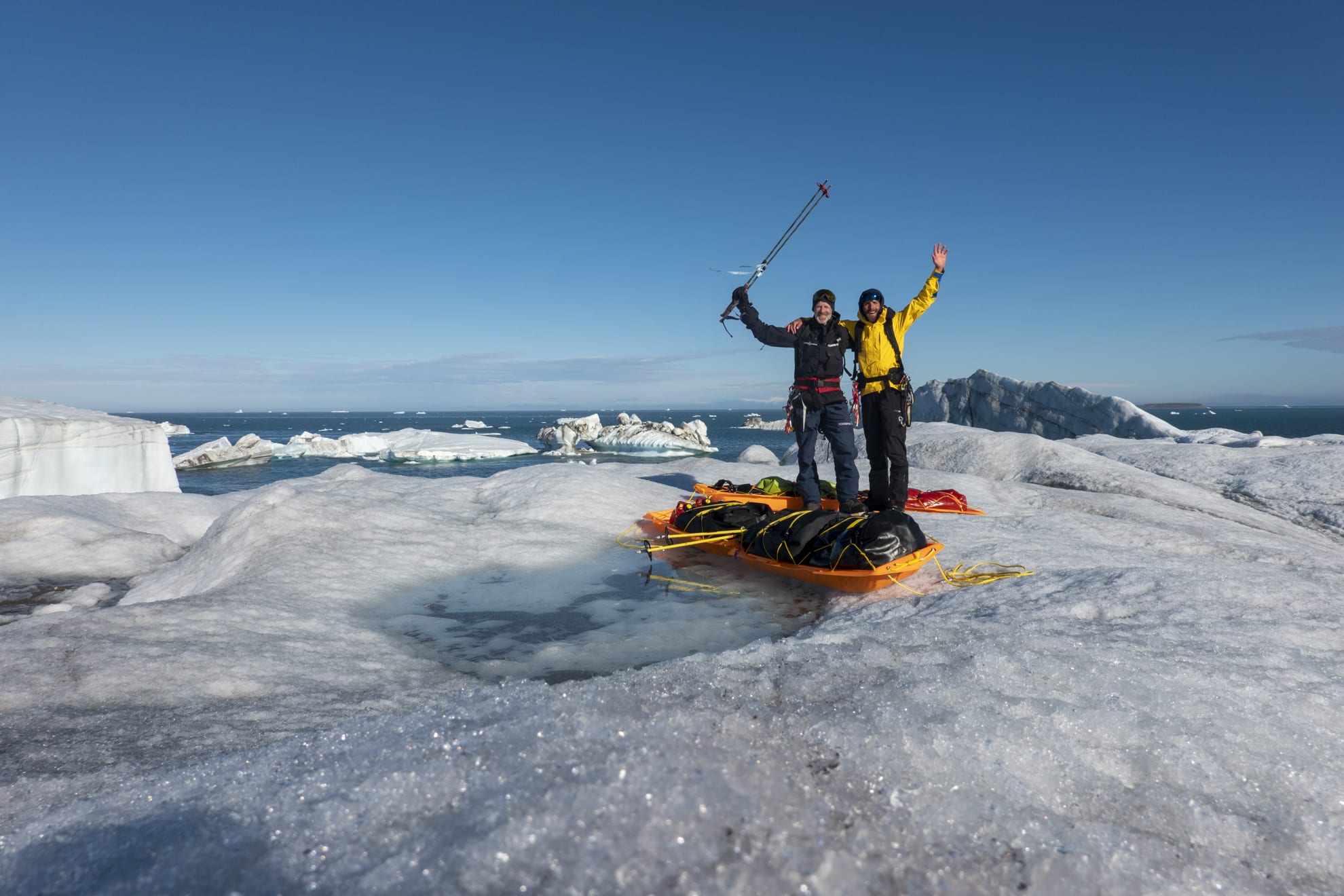
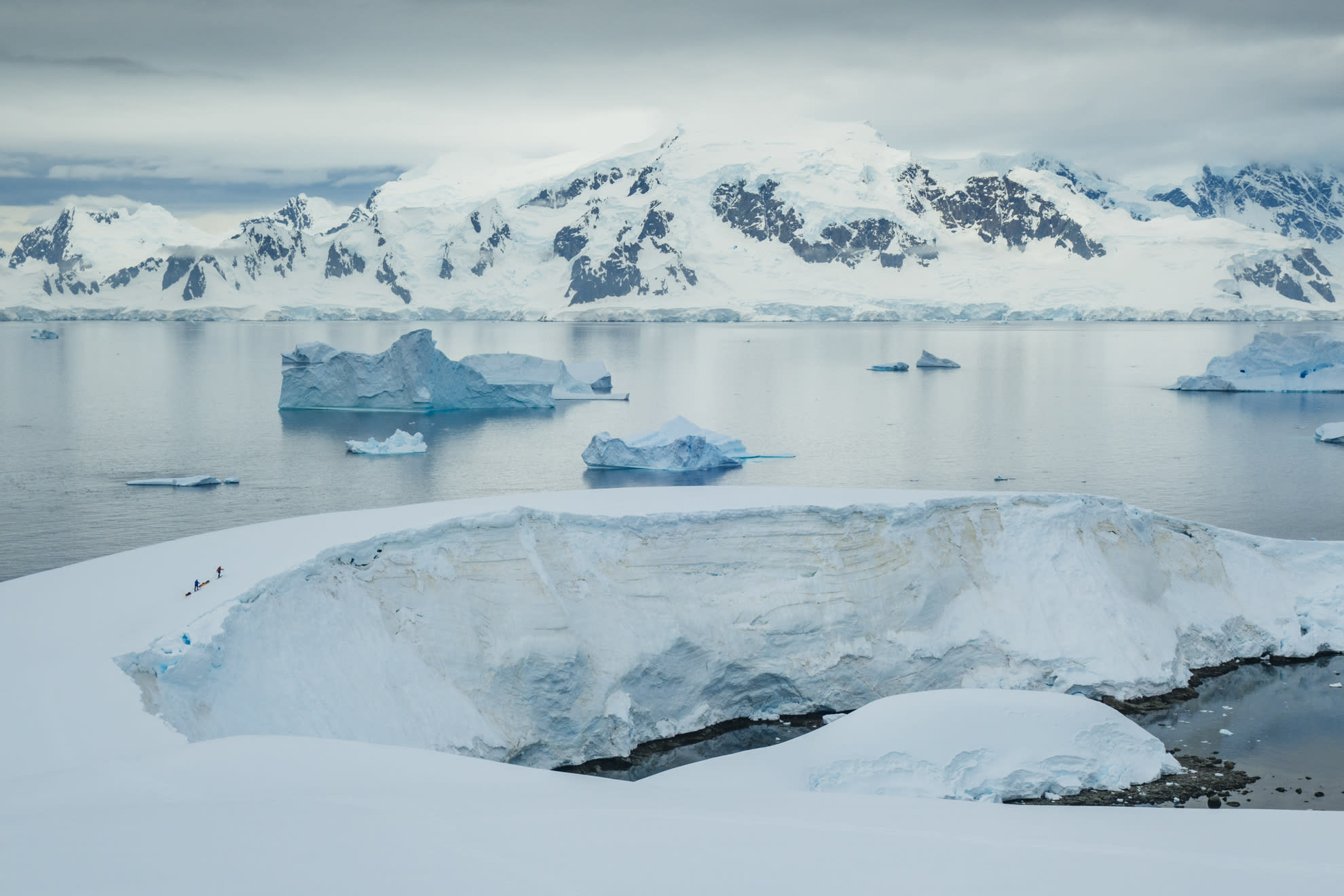
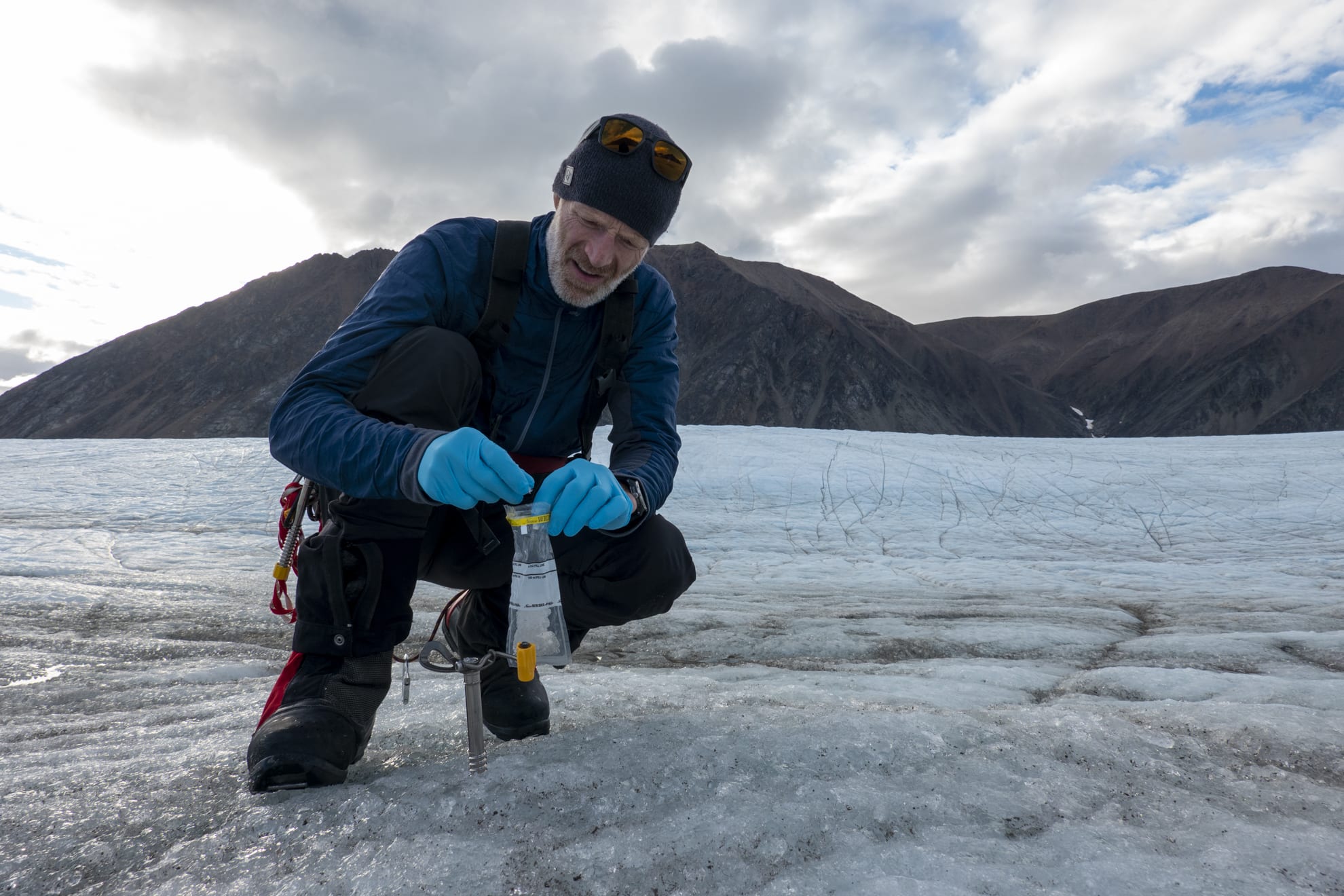
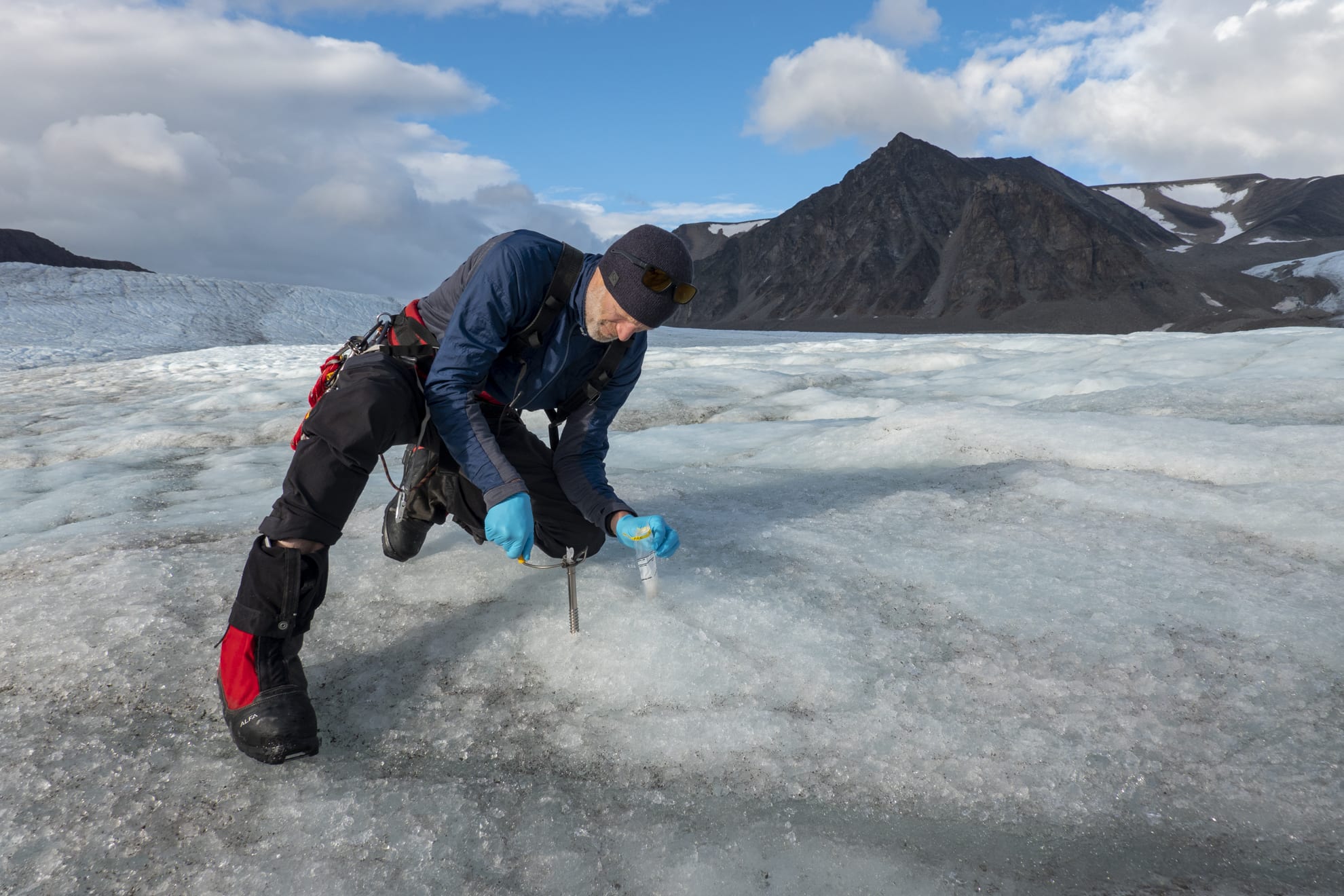
By crossing the 20 largest ice fields on earth, we hope to bridge adventure and science, collect samples used for different scientific studies, and share the outcome through media, lectures, petitions and educational programs. In the end, it is about influencing public opinion towards the conservation of the ice and the reduction of our impact on Nature.
Where did it all start? October 2010, Norway. Børge shouted “that’s it!”. The cork of the champagne bottle went high up, not only because of the pressure but our joy made it go even higher. I just completed my first expedition with him and captain Thorleif Thorleiffsson, as a crew member aboard the “Northern Passage”, a 31-foot trimaran which sailed successfully around the North Pole in one single season. I was 24 years old. At that moment, I felt so stoked but also preoccupied. Why? Because of what just happened through the North-West passage.
The Northwest Passage is a route that connects the Pacific to the Atlantic Ocean through the northern part of the North American continent. We sailed and motor sailed through this passage in 25 days! One century earlier, the Norwegian Roald Amundsen used three years to cross this passage. No doubt we had a faster boat, better technology and more information. However, it was likely the lack of ice that was the main reason for our success.
Through the Bellot Strait, a very narrow channel usually filled with ice, we progressed smoothly. An Isbjørn (polar bear)! As we approached the shore, the king of the Arctic was facing us, a few meters away. I hardly took any good photos because of my state of excitement. The bear walked away from us and looked back one last time. If I bring back that experience to my child self, I would say “what an amazing experience!”. It make me wonder if the polar bear felt the same excitement.
One or two degrees of rising temperatures in the Basque Country where I grew up never affected my life. In Oslo, it might just shorten the cross-country skiing season. Nonetheless, in the polar regions, this same temperature difference transforms ice into water. The polar bear is suddenly deprived from its hunting ground, the sea ice, to catch seals. It is exactly the same as if we were to remove all the supermarkets in our cities. This experience was clearly a huge eye opener and my appeal for conservation projects started growing.

A couple of years later, we completed the first crossing of Nordaustlandet, one of the islands of the Svalbard archipelago. Børge asked me if I was interested in crossing more icecaps with him in order to raise awareness about the ice recession. It didn’t take long for me to answer. Icelegacy was born.
My partnership with Børge through the Icelegacy project represents a powerful alliance of expertise, determination, and a shared commitment to protecting Earth's ice formations. Our collective efforts strive to preserve the beauty and significance of ice, while igniting a sense of responsibility and action among individuals, communities, and nations worldwide.
Glaciers are in fast decline due to the rising temperatures, causing the threat of long-term sea levels to rise. They are crucial as a fresh water source for millions of people worldwide. This is why glaciers need to be more well known and protected. The world needs to find technical and political solutions to the environmental crisis. Icelegacy is meant to be an incubator to that process, a visual example as to what is happening in the field.
Exploring is a constant desire for me. It is a way of understanding how vulnerable we are and that we are connected with nature. It is by living intense magical moments in the wilderness that I realize how beautiful our planet is.
For our children, this doesn’t mean spoiling them with plastic gifts for Christmas, it means giving them a chance to explore a world still wild. For me, that means a lot of ice and some good fat polar bears!
We can be criticized by the fact that we take several planes to get to these remote icecaps. Fair enough. But we are still trying to work our ass off bridging adventure and science. For the past 20 years, I have been exploring some of the most remote places mainly in the polar regions. So far with Børge, we have crossed half of the 20 world largest ice caps.
All these adventures and the fact of witnessing the acceleration of climate change have changed my mindset and the way I consume products. I always keep in mind the human footprint. I am asking the question: what can I do to reduce my footprint?
From taxing myself with 10NOK (1EUR) each time I come home with some plastic and giving it to environmental non-profits, to not buying what I don’t really need, from consuming local seasonal food to my latest effort to plant a tree each time I take the plane, I am just trying to do my share because I feel sad about what’s happening to our planet.
One year, I have contributed to plant 30 trees. 20 in the village of Tarauaca in the Brazilian Amazon forest and 10 in the South West of France where I come from. However, I face the challenge of traveling the globe, going to remote places and trying to reduce my carbon footprint at the same time. I talk about the environment and at the same time I am far away from being a responsible person. I am no hero and full of contradictions.
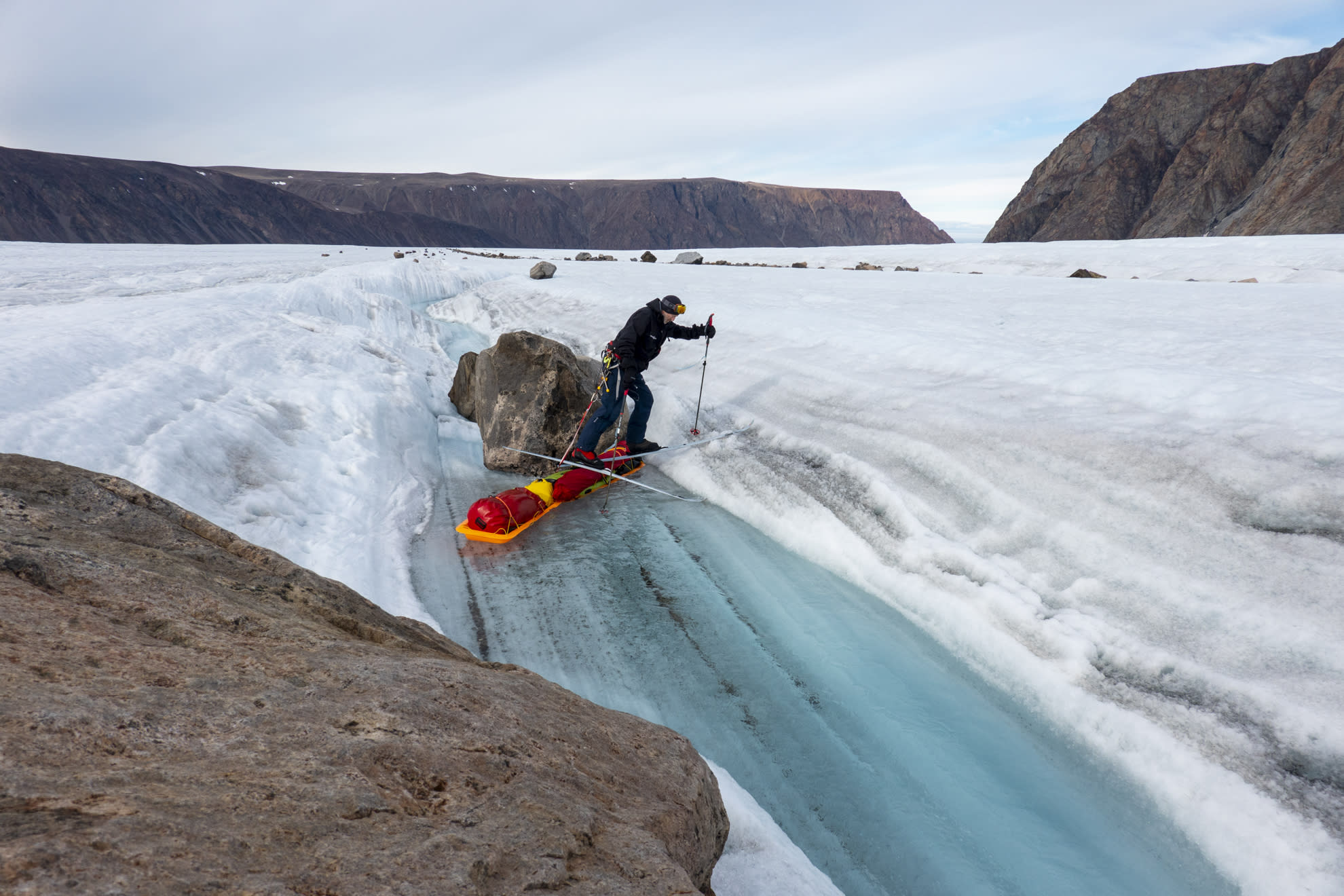
A pessimist would say ‘’we can’t do anything! It’s all over’’ or an optimist would go ‘’everything is fine! That’s ok’’. Well in both cases, nothing gets done. To me, what matters is whether we are trying to be part of the solution or part of the problem. Being part of the solution, isn’t it a great opportunity to grow as a person, as a society and be more responsible at the same time? And what if, instead of taking a decision that will have an impact tomorrow, we consider that the impact of that decision is in hundred years from now? We could foresee the consequences on a long-term basis.
I think that corporations can reduce damaging this planet by selling cleaner products and services. It’s up to us to carefully choose and fight that emotional consumption. We vote every few years for a president. But with our credit card, we vote every single day!
Whether or not we believe in the human impact in the climate change discussion, I think we still have all the responsibility to protect wild open spaces for our children to experience rich ecosystems.
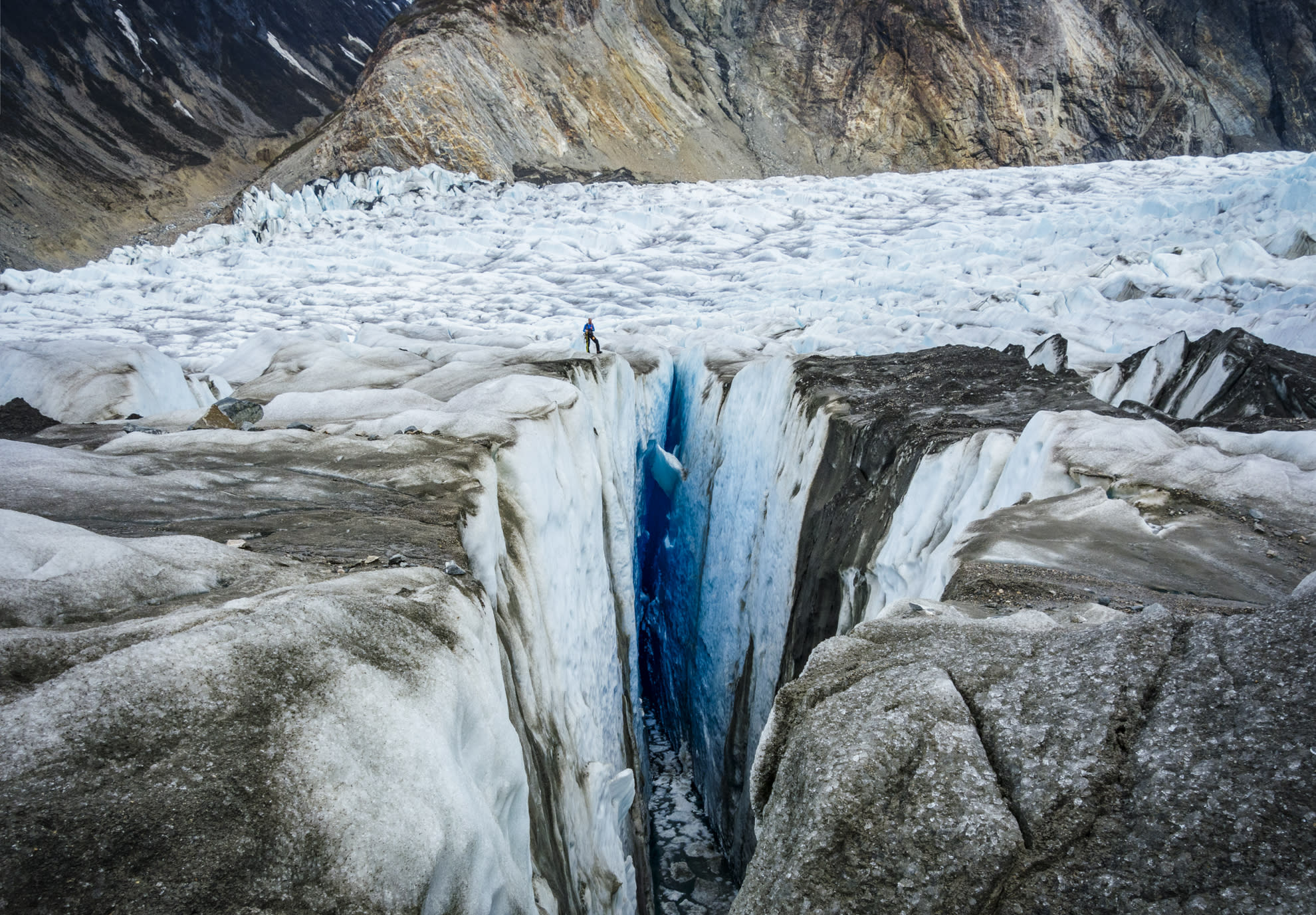
Will we leave these huge sources of fresh water vanish?
Will we try to act or will we just let it go?
And what will we say to our children?
Actions do the talking.
Words are cheap.