Published: Feb 25, 2026
There is a small alpine village in Switzerland where all your mountain dreams will come true. Welcome to St. Moritz.
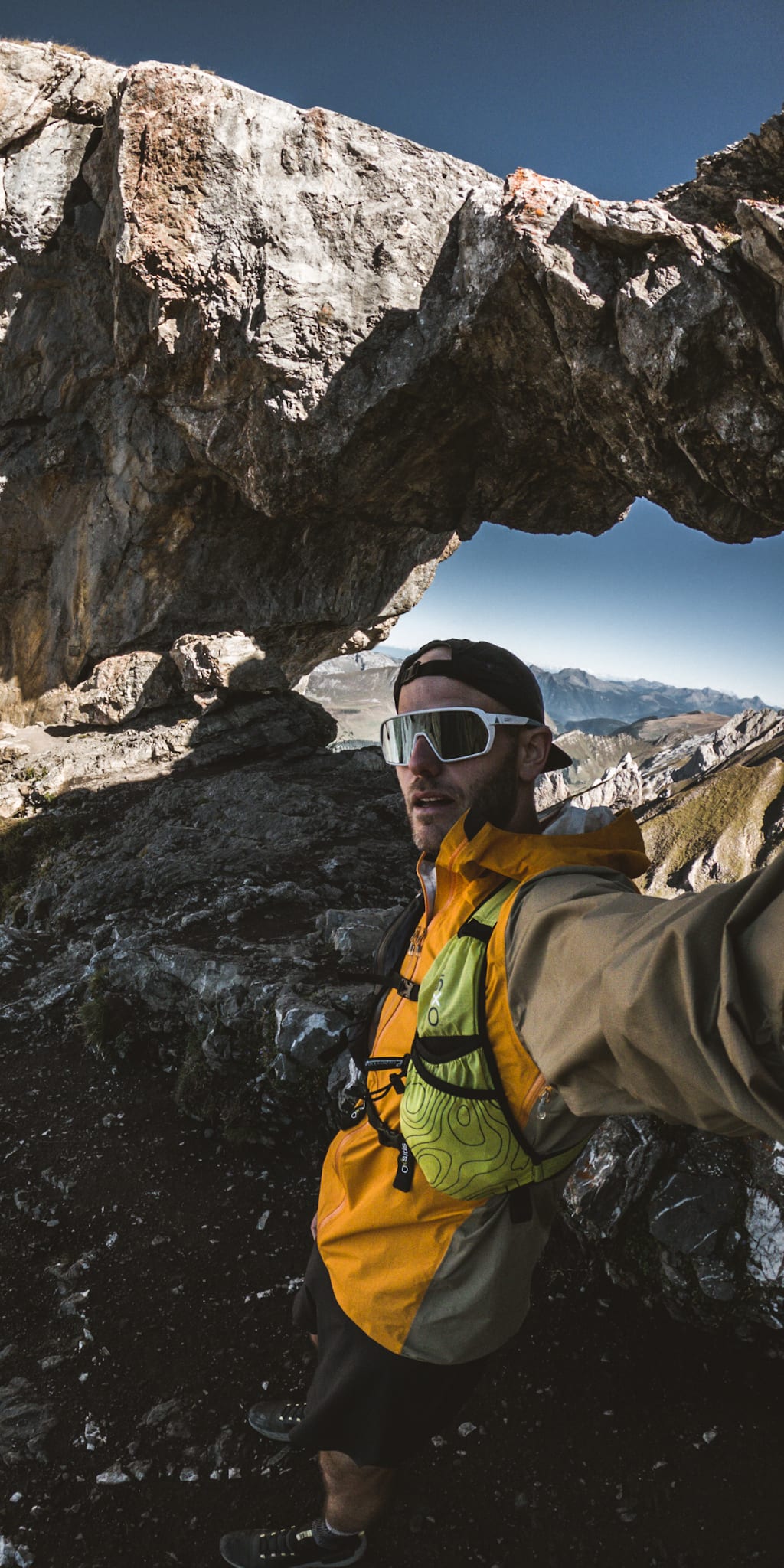
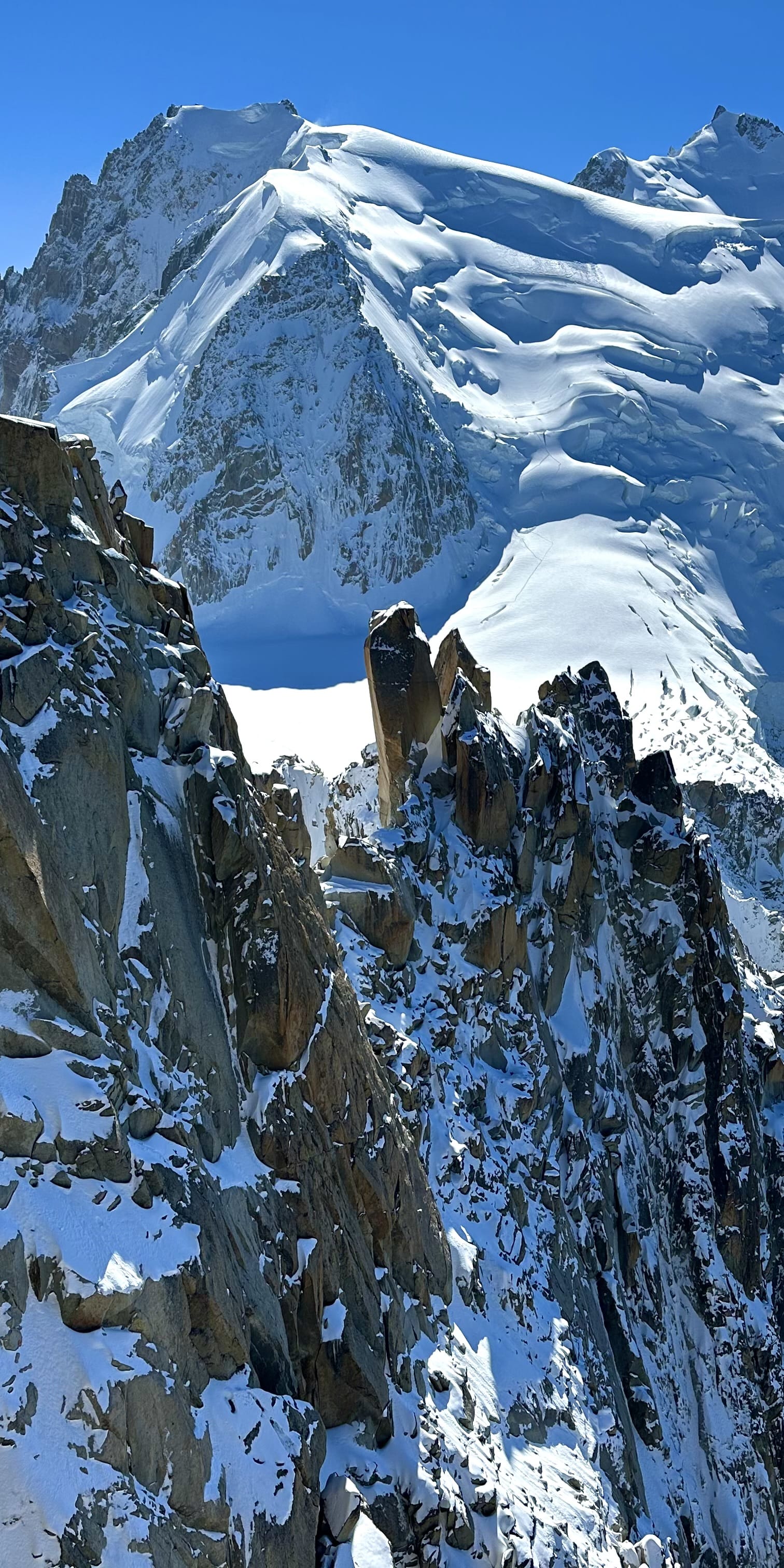
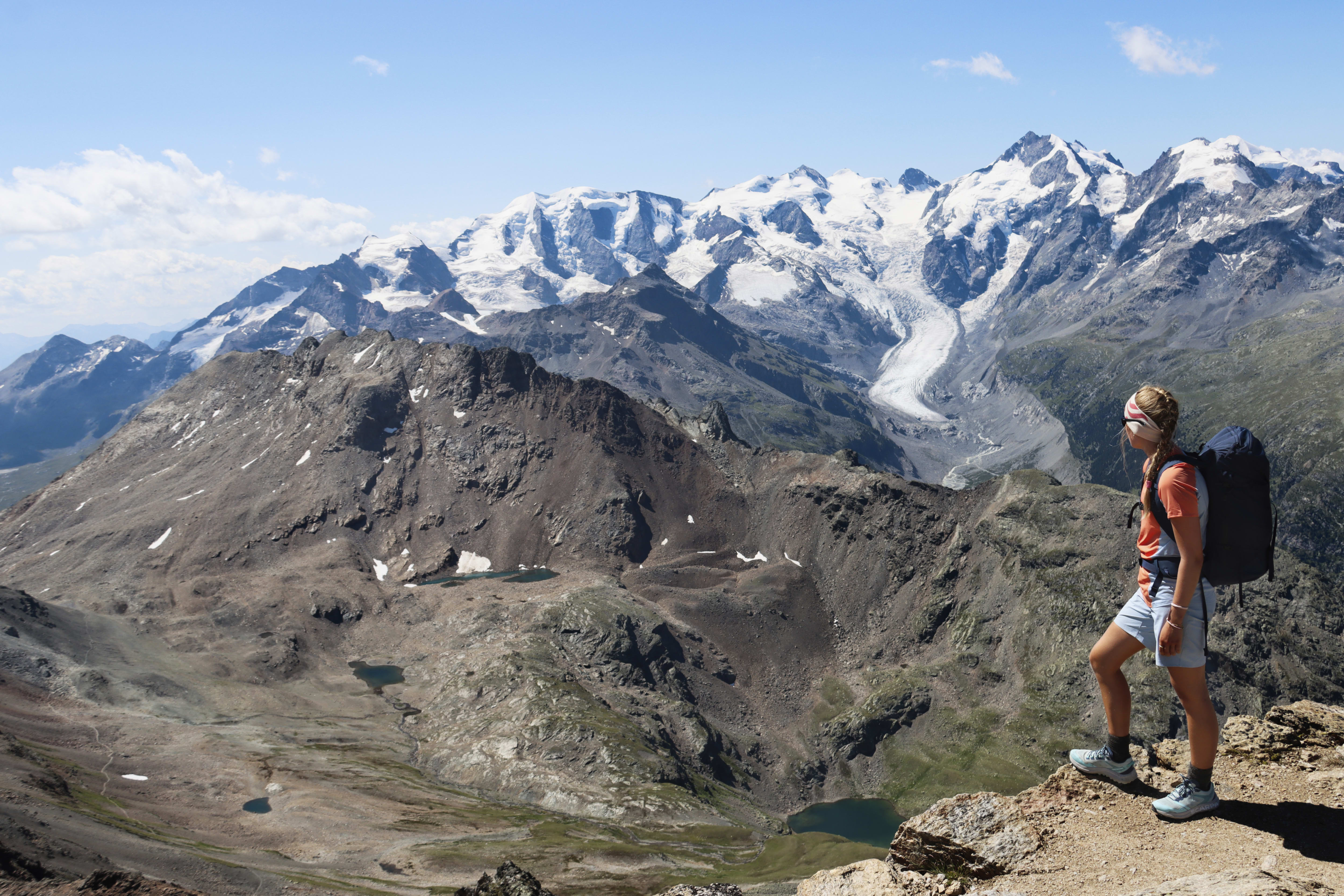
I don't know if the realization came while leaving Furtschellas Mittelstation, outside the Segantini Hut, or at the top of Piz Languard – 3262 meters above my everyday life. What I can remember, is that a conclusion suddenly emerged. That all the pieces fell into place. That the whole picture became complete.
I thought: Here, I want to live.
Right here I want to exist.
In this valley.
In this alpine village.
In St. Moritz.
Not because of the phenomenal selection of luxury hotels. Not because of the astonishing array of expensive watches, expensive cars, expensive jewelry. Not because of the opportunities to play polo – at a high level. No, because of nature itself. Because of the sensational landscape.
"In summer, St. Moritz is more chill than in winter,” says Misch Shneider, the founder and owner of the legendary sports shop Nanuk Sport in St. Moritz.
“The valleys with all the lakes are so beautiful and unique during the summer months – and there are so many things to do and explore!”
Misch first came to the Engadin valley and St. Moritz 30 years ago – on a ski holiday. And it is perhaps winter – and
snow – that most people associate with St. Moritz.
The Winter Olympics were already held here in 1928. And in 1948. Not to forget the Ski World Championships in 1934. And in 1974. In 2003. And 2017.
The small alpine village – with just over 5000 inhabitants – has become world-famous for its unique skiing culture. It may
not be as well-known for its qualities in the summer months. And for its 300 days of sunshine each year.
I myself heard it from friends when I told them about our summer vacation plans for a family week in St. Moritz:
"Are you crazy?"
"Have you inherited a lot of money?"
"Have you won 95 million Euros in the Eurojackpot?"
The general perception of St. Moritz is that it is "the world's most expensive holiday destination." And yes: that may be true. If you have lots of money,
there's plenty to spend it on here. I guess it's wonderful to stay in St. Moritz, if you have a large fortune. But: it feels no less wonderful to place our tent pegs in the green grass at Camping St. Moritz. After all, we have come here to be outdoors as much as possible.
You could say that the story of St. Mortiz starts around 1855. That's when Johannes Badrutt bought an old guesthouse and renovated it from the ground up. Nine years later, the guesthouse had become a hotel. Wealthy guests from England checked in and the reviews were good. Johannes Badrutt chose to make a bet with his regular summer guests: "if you dare to stay here during the winter, I can guarantee at least 40 days of sun and good snow conditions. If not, I will cover your entire stay."
Johannes Badrutt naturally won the bet. Thus, winter tourism was invented as a genre and phenomenon. In 1884, the first skiing trail came to St. Moritz. In 1890, local farmer Christian Mathis produced the first bobsled and organized daring sledding races on the road from St. Moritz to the neighboring village of Celerina. In 1891, St. Moritz Golf Club was founded – a metaphor for the guests' personal economy. Then, a ski jump was built in 1895. In the winter of 1910, a plane landed in the village.
And the story continues.
St. Moritz has often been first, best, or largest. St. Moritz has always attracted kings, princes, rulers and sheikhs. Here came Coco Chanel, Charlie Chaplin and Alfred Hitchcock. Here, apparently, Robert De Niro, John Travolta,
Seal also came. Here, a swimming pool was built for over 90 million dollars - with portraits on the walls of all the great athletes who have trained here.

And now, here we are.
The whole family, inside a tent, during a brief rain shower.
This hour in the tent allows us to plan some simple yet
stunningly beautiful hikes.
On day 1, we warm up and walk the so-called "Water Trail" just above the top station of the Furtschella gondola. Here, we visit six small lakes during a short and beautiful hike: Lejin Christal, Lejin Magnetit, Malachit, Rhodonit (where we have lunch and a dip in the warmth), Chaglia and Epidot.
On Day 2, the sun shines just as brightly as the day before, and we take a charming funicular railway – which opened as early as 1907! – all the way up to 2454 meters at Muottas Muragl. From here, we walk all the way up to the Segantini Hut and further to the top of the magical mountain Las Sours at almost 3000 meters. The view is – to put it briefly –magnificent.
On Day 3, we feel that we got the whole area a bit more under our skin. We feel the southern slope of the Albula Alps and the Engadin valley in our souls.
Now, we take the chairlift straight up from Pontresina village and continue on winding, zigzag paths. Some of us choose to follow the steep and spectacular trail all the way up to the mountain peak Piz Languard at 3262 meters. If the view was "magnificent" at the top of Las Sours, it's almost difficult to describe the view from the top of Piz Languard.
Should we say enchanting?
Captivating?
Like in a dream?
So what should we do next – or the next time we are on vacation in St. Moritz? Misch Schneider at Nanuk Sport is fortunate enough to live and work here – in this dream landscape. His favorite activity during summer is to ride his bike and hike with his better half Sabrina and his dog Lou.
We ask Misch which easy hikes he would recommend in St. Moritz.
“I would recommend the Schellursli Trail St. Moritz, which is an easy hike for small kids, with some information signs and stories about the famous Schellenursli. I would also recommend Panorama Trail Muottas Muragl –which
is an approximately 7 km long hike over the valley after accessing Muottas Muargl by one of the oldest funiculars in Switzerland.


Which three trails would you recommend for trail running, Misch?
1. Stazerwald: around 6 km up and down through the beautiful Forest of Staz with its crystal clear Lake da Staz, which is also worth taking a dip in.
2. Hahnensee: Starting in St. Moritz, this trail climbs 385 meters towards Hahnensee. After a short refreshing swim in the lake – or a visit in the restaurant – you can continue towards Corvatsch or back down to St. Moritz or Silvaplana. This is a super nice trail with great views.
3. Up the valley: Starting in St. Moritz, you can run up the whole valley to Maloja. Running around Lake Champfer, Lake Silvaplana, and Lake Sils. This is a long and beautiful run at 17 km.
Which three peaks would you recommend hiking up to?
1. Segantini Hut: My all-time favorite hike! You can start from Pontresina, take the Chairlift to Alp Languard or start from Muottas Muragl. Both ways are very nice with great views and will lead you to the famous Segantini Hut where you can enjoy the best view over the valley –with delicious food served by Martina and Anselm, good friends of mine!
2. Ova Cotschna: A hike up from St. Moritz leading through a nice forest up 900 meters to Lake da I’Ova Cotschna – and after a few more minutes, you will reach Ova Cotschna.
3. Muottas da Schlarigna: My favorite summit to reach from St. Moritz. The trail leads you above the tree line to a viewpoint with a nice bench to rest. Then you hike back to Alp da Staz, where you can see the oldest Swiss stone pine, which is 1400 years old!
We also have to ask how Misch would describe the Norwegian term friluftsliv" –which is what this edition of Norrøna Magazine is all about.
"Friluftsliv" is exactly what it means for me to live in St. Moritz and the Engadin Valley! Misch replies.
“Living in the heart of beautiful nature that offers great, unforgettable moments – and makes you smile all the time!”
This may be one of the best descriptions of the expression "friluftsliv" we have ever heard. And it only makes us more eager to return to St. Moritz.
As soon as possible.